

Minimalist Product Packaging: Simple Designs That Boost Brand Appeal
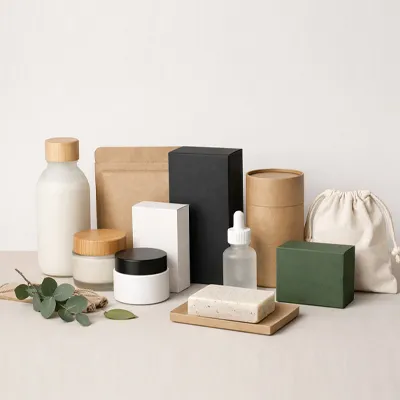
Introduction: Why Minimalism Is Redefining Modern Packaging
Packaging is no longer an envelope or protective covering to a product in the current flooded B2B and B2C markets. It has become a power brand which conveys values, quality, and purpose within seconds. Minimalist packaging of products has become an influential reaction to over- crowded shelves, over stimulated consumers, and emerging sustainability anxieties. Brands are discovering other methods of distinguishing themselves, developing credibility and increasing the perceived value by reducing the packaging to the bare essentials.
Minimal packaging design does not mean doing less and being simple. It is all about doing what counts. The philosophy has high potentials across the food and beverage, cosmetics, healthcare, electronics, industrial component and high-end consumer products industries, where there is a high likelihood of clarity and credibility contributing to the choice of the purchase.
Defining Minimalist Product Packaging in a B2B Context
Minimalist product packaging is a style of packaging a product where simplicity, functionality, and planned visual hierarchy are given importance. It removes redundant graphics, redundant text, and all forms of decorations and preserves the things that are necessary in the communication, compliance and brand recognition.
Minimalist packaging tends to indicate efficiency, technical confidence and quality assurance as far as B2B is concerned. The packaging that conveys the value of the product fast and without distraction attracts industrial buyers, procurement heads, and distributors. Minimalism also increases the readability and compliance of a regulated industry like the pharmaceuticals or medical devices by decreasing visual noise.
Definition: Minimal Packaging Design
Minimal packaging design is a strategic device that employs subdued color schemes, legible typography, use of less and more targeted messages to create maximum brand and functional influence with minimum visual and physical clutter.
Why Brands Are Choosing Minimalist Packaging
Minimalist packaging is not a change of aesthetics only. It embodies more fundamental shifts in consumer behavior, supply chain focus and brand positioning strategies.
The pressure to have a transparent brand is one of the factors that have made brands adopt minimalism in their packaging. Pure, unjumbled designs simplify the process of conveying the ingredients, certifications of the product and the ways of its use. This transparency in B2B will help to make decisions faster and de-frict the various procurement processes.
Economical grounds are also a factor. Basic designs tend to use fewer inks, finishes and materials resulting in reduced production costs and increased scale. Minimalist designs in combination with digital printing techniques and modular packaging systems allow shorter go-to-market timelines.
Differentiation is important as well. Within the category of products that have loud visuals and aggressive branding, simple product packaging is contrasting. Minimalism actually attracts attention since it does not compete in it.
How Minimalist Packaging Increases Brand Appeal
Minimalist packaging enhances the perceived value of a brand by making its visual design consistent with perceived product value. Straight lines, spacing and a conscious typography bring out an impression of confidence and sophistication. It is especially true with upscale minimalist packaging, where minimalism enhances exclusivity and craftsmanship.
Minimalism is psychologically light. The buyers are able to process information quicker and feel more in control of their choice. In the case of the brands, this will present itself as improved recall and brand trust.
Minimalist packaging is a sign of reliability and consistency in B2B relationships where the long term partnership is important rather than impulse purchase. It implies that the brand is oriented on the performance of products, but not on the superficial embellishing.
Brand-Focused Packaging as a Strategic Tool
Minimalist packaging with brand emphasis has made sure that all the visual elements are functional. Logos are smaller and have a more calculated positioning. The use of colors is minimal yet unique. The choice of materials is to represent brand values as opposed to trends.
In the case of industrial and technology-driven brands, this strategy assists in strengthening the technical authority. In the case of lifestyle and consumer-facing brands, it helps the product to tell the story on its own. In both scenarios, the marketing of the brand spills over into minimalism product packaging instead of an ad-hoc marketing feature.
Table: Traditional Packaging vs. Minimalist Packaging in B2B Markets
| Aspect | Traditional Packaging | Minimalist Packaging |
| Visual Design | Dense graphics and text | Clean, restrained layouts |
| Material Usage | Multiple layers and finishes | Reduced, purposeful materials |
| Brand Perception | Promotional and busy | Confident and premium |
| Sustainability Impact | Higher waste generation | Lower environmental footprint |
| Information Clarity | Overloaded messaging | Focused communication |
Sustainable Minimalist Packaging and ESG Alignment
One of the greatest influences of the minimalism movement is sustainable minimalist packaging. With the tightening of environmental regulations and the centralization of corporate strategy to the ESG commitments, the packaging is questioned more and more.
Sustainable brands often use the minimalist packaging, which is characterized by the low number of materials used, recyclable and biodegradable materials, and the presence of mono-material structures that are easier to recycle. With the reduction of inks, coatings, and adhesives, brands can make a major impact on reducing their environmental impact as well as enhance the efficiency of the supply chain.
Sustainable packaging is no longer a luxury to B2B buyers. This is frequently a condition stipulated in supplier audit and procurement models. The same expectations are supported by minimalist packaging which makes sustainability measurable and visible.
Premium Minimalist Packaging and Value Perception
High-end minimalist packaging proves that luxury is not too much. Indeed, restraint tends to increase exclusivity. Instead of flashy graphics and heavy decoration, high quality materials, correct printing and considerate proportions are used.
Premium minimalist packaging in industries like cosmetics, specialty foods, electronics and wellness products boosts perceived value without having a significant impact on packaging expenses. In the case of B2B brands that offer private labels or OEM products, such a strategy can be differentiated without affecting the margin efficiency.
Opposition to clutter makes one focus on texture, finish, and form. This emotional appeal reinforces brand positioning in the upper end of the market and integrates the emotional appeal to the senses.
Minimalist Product Packaging Design Ideas across Industries
The ideas of the design of minimalist product packaging differ depending on an industry but are based on the common principles. White space and readable text will increase compliance and trust in healthcare and pharma. Muted colors and simple icons that are used in food packaging send the message of authenticity and transparency of the ingredients. Clean labeling and systematic patterns are used in industrial packaging in order to aid in logistics and efficient handling.
In industries, the modular design systems are becoming popular. These systems help the brands to maintain consistency among SKUs even as it changes to suit alterations in different product versions. Digital printing also aids personalization through a simple system of minimal usage wherein short runs are possible without visual clatter.
Benefits of Minimalist Packaging for Brands
Minimalist packaging has advantages to brands beyond the visual arena. There is enhanced efficiency in its operations as there is simplified materials and streamlined production processes. Standardized forms of packaging make it easier to manage inventory. The cost of logistics goes down because of the less weight and volume.
On a marketing perspective, the reduction of the amount of packaging reinforces brand consistency at the physical and digital touchpoints. E-commerce photographics better because the products are easier to sell online and can be easily branded digitally and they work well in cross-national markets where language and cultural diversity are important.
Most notably, minimalism develops in the long run brand equity. It does not show the way of trend-based product design and gives a classic look that can be developed without frequent redesigning.
Step-by-Step: Implementing Minimalist Packaging in a B2B Organization
A change to minimalist packaging starts with a packaging audit. Brands need to determine what aspects are necessary to comply with, in logistics, and brand and which ones can be dropped or streamlined.
This is followed by optimizing materials. The reduced number of materials selected makes them more flexible, and it contributes to sustainability objectives.
Then there is optimization of materials. When fewer and more versatile materials are chosen, complexity is minimized and helps achieve sustainability. There comes design alignment making sure that visuals are aligned with the brand strategy as opposed to the marketing campaigns.
Lastly, it is essential to align the stakeholders. The leaders of packaging, marketing, the procurement, and sustainability teams need to cooperate and make sure the minimalist design choices work towards more extensive business goals.
Common Misconceptions about Minimalist Packaging
One of the major misperceptions is that minimalist packaging is impersonal. As a matter of fact, personality is realized through accuracy and deliberateness and not extravagance. There is also the myth of only the premium brands being appropriate to minimalism. Minimalist packaging to convey reliability and scale are a successful use of packaging in mass-market and industrial brands.
It is also feared that less packaging will lead to protection being lost. Minimalist packaging can be used to achieve or even surpass the performance standards with the right structural design and material choice using less resources.
FAQ-Style Insights for Decision Makers
Is minimalist packaging suitable for regulated industries?
Yes, minimalist packaging often improves compliance by enhancing readability and reducing visual confusion.
Does minimalist packaging increase costs?
Although redesigning of the first packages might be necessary at the beginning, long-term expenditures tend to lower because of saving in the material and efficiency in production.
Can minimalist packaging support brand storytelling?
Absolutely. Minimalist packaging tends to reinforce storytelling instead of making it weak as it concentrates on core messages.
The Future of Minimalist Packaging in B2B Markets
Minimalist packaging will become more strategic as industries continue to change due to the digital transformation, sustainability requirements and the global supply chain pressure. Companies which are ready to adopt minimal packaging design have a better chance to adjust, scale, and convey value in challenging markets.
Minimalism is not a fad any longer. It is an architecture philosophy that is in line with efficiency, responsibility and clarity. Minimalist product packaging presents an attractive way out of B2B brands that need to achieve operational and environmental objectives by increasing brand appeal.
 Our Services
 Media Pack Download
 Newsletters
 Industrial Events