Adapting Uniforms for Diverse Work Environments
Workplace uniforms are not usually included during the analysis of workplace safety risks along with safety protocols. I interviewed safety managers and uniform experts from a range of industries to learn the importance of modifying workwear to satisfy the changing demands of varied workplaces.
The results were surprising: Most safety managers told me that top companies are finding that focusing on comfort and inclusivity in uniforms boosts both safety and productivity.
A 2023 study by Academia.edu found that comfortable work attire was associated with a 15% increase in job satisfaction and a 12% reduction in workplace accidents and injuries among respondents. This has led to happier employees and fewer injuries related to muscle and joint issues.
The Different Safety Needs of Workplaces
The safety needs in various industries are not only different but also complicated and always changing. What is safe in one industry might be risky in another.
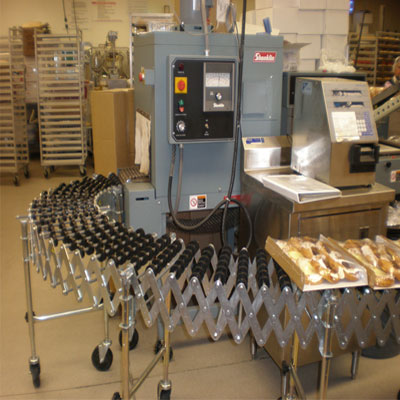
Let us take the packaging floor for example. Workers operating heat-seal machinery or handling inks and adhesives need uniforms that protect against temperature spikes and minor chemical exposure, while still allowing mobility for long shifts.
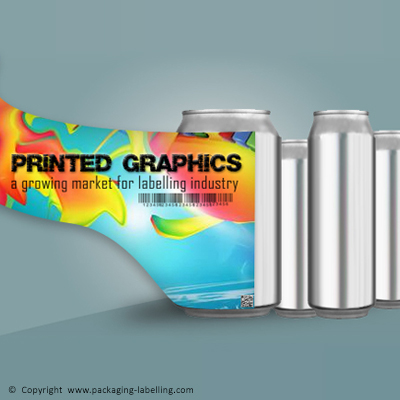
In food and pharmaceutical packaging, staff must wear lint-free, contamination-control garments to prevent product contamination. Those working in labeling or printing areas often require sleeves and aprons treated with anti-static and solvent-resistant coatings to protect against ink or alcohol-based cleaner exposure.
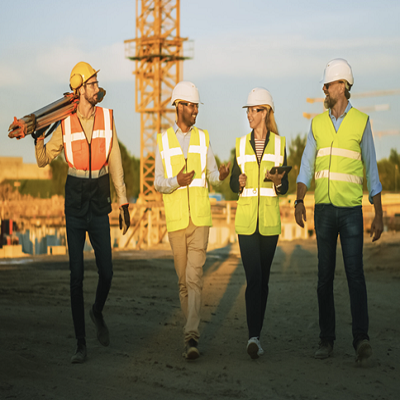
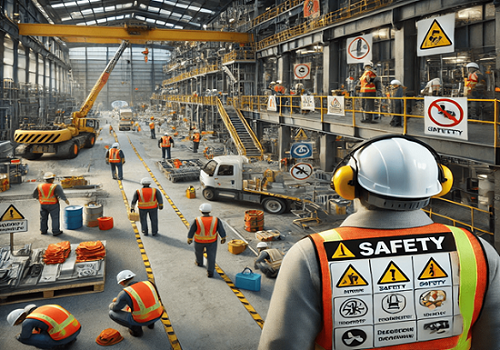
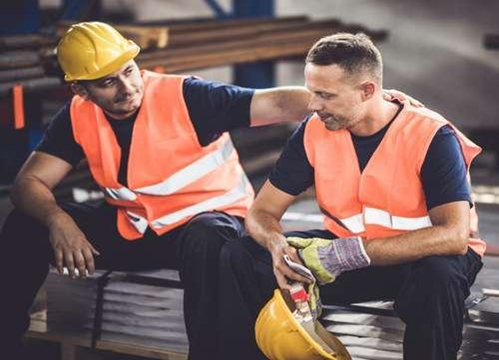
In warehouse and logistics zones, high-visibility vests and steel-toe shoes remain essential for safety around forklifts and pallet conveyors, while breathable fabrics help prevent heat stress during long shifts.
There is no safety uniform that is designed for universal fit solutions. Every industry has different hazards, which call for different solutions.
The Impact of Environmental Conditions on Uniform Design
Conditions such as adhesive fumes, humidity in packaging zones, and temperature changes between production and storage areas directly affect both worker safety and packaging quality.
A recent report from the International Labour Organization shows that heat stress and chemical exposure caused 22.85 million injuries in the US in 2024. These incidents later resulted in $3.2 billion of medical expenses and a 17% decrease in manufacturing productivity.

Task-Specific Uniforms for Enhanced Safety
In high-risk industries, appropriately designed workwear lowers injury rates by up to 28%, according to research from the National Safety Council. Here are the main types of the well designed uniforms:
1. Flame-Resistant Uniforms
Job-specific work pants, flame-retardant overalls, and jackets constructed with premium aramid fibers protect welders and furnace operators from intense spark exposure and flash fires, with specialized, rigorously tested materials maintaining structural integrity up to 180°F.
2. Chemical-Resistant Workwear
Impermeable polyvinyl chloride (PVC)-coated protective suits with sonically welded seams and quick-release, tamper-proof closures enable rapid decontamination and prevent harmful chemical absorption through skin contact.
3. Impact-Absorbing Workwear
Lightweight carbon-fiber reinforced uniforms with strategically placed, ergonomically designed padding protect heavy machinery operators from debilitating compression injuries and falling object hazards.
4. High-Visibility Protective Clothing
Bright fluorescent polyester garments with high-intensity prismatic reflective strips enhance worker visibility in low-light or inclement weather conditions, reducing vehicle-related accidents by 42%.
5. Temperature-Regulating Safety Wear
Advanced phase-change material uniforms with strategically placed, ventilated mesh panels help maintain optimal body temperature in extreme working environments, preventing heat stress and promoting worker comfort.
Balancing Employee Comfort and Safety Features
You don't have to sacrifice your employees' comfort in order to build a safe workplace. Actually, comfortable employees even tend to work more safely. What you need to do is to carefully add safety features in a way that would make your employees more comfortable.
Take safety gear, for instance. Workers won't be excited to wear safety gear that doesn't fit them. Choose breathable materials and designs that fit properly - your team will actually use them, staying safer as a result. Set up workstations with your team's comfort in mind.
Adjustable chairs and properly positioned screens and keyboards prevent strain and injury. You also need to know that lightning is very important in this case. Adequate lighting improves task visibility, therefore minimizing mistakes and preventing slips, trips, and falls.
However, improper placement of fixtures can overexpose your eyes to glare which can strain or cause discomfort to your vision. In addition, extreme heat or cold impairs concentration and increases accidents.
Hot and cold temperatures worsen focus and increase mistakes among people. Make sure your workers' uniforms can handle heat up to 180°F so as to maintain safety and good productivity.
Uniform Policy for Multidisciplinary Teams
Your uniform policy should cover specific requirements while being consistent across teams. Laboratory staff require flame-resistant coats, safety goggles, and closed-toe shoes meeting OSHA standard 1910.136.
Customer service employees should wear branded navy blazers with gray slacks/skirts and closed-toe dress shoes. Production staff need steel-toed boots (Based on the ASTM F2413-18 standard), high-visibility vests, and appropriate headgear, plus anti-static wrist straps when handling electronics.
You should also establish an annual uniform allowance per employee along with safety equipment allowance. Department heads can approve role-specific modifications through SEC form U-1, requiring sign-off within 5 business days.
Try to maintain uniform standards through quarterly inspections using a checklist form U-2. Violation of inspection should lead to progressive discipline that starts with verbal warnings. The field staff should receive additional items of weather-adapted gear which includes waterproof outerwear and thermally insulated clothing based on their needs.
Remote workers must follow video conference dress codes. Accommodations for religious attire or medical needs must be documented through HR Form A-3 and decisions should be made within 10 business days.
Review uniform performance each quarter through operator feedback and safety audits. Focus enforcement on safety compliance first, then professional appearance standards.
.png)
About: Nick Warrick - Sales Manager at All Seasons Uniforms.
Nick Warrick is the Sales Manager at All Seasons Uniforms. With over 15 years of experience in the work uniform business, he has worked with over 100 clients across 20 different industries. Holding bachelor’s degrees in both Business Administration and Information Technology, Warrick revamped the company’s online presence, offering its customers a new uniform shopping experience.
 Our Services
 Media Pack Download
 Newsletters
 Industrial Events