

Flexible Packaging Explained: Benefits, Materials, and Innovations
Introduction: Why Flexible Packaging Is Reshaping Modern Supply Chains
Flexible packaging is no longer a less expensive option to rigid packaging; but rather it has become a strategic tool to brand differentiation, sustainability objectives and supply chain effectiveness. In food, beverage, pharmaceuticals, personal care, as well as industrial goods, companies are finding it more appropriate to invest in flexible packaging solutions in order to enhance the appearance of the shelf, increase the lifespan of the product, lower the logistics expenses, and address the increasing regulatory and consumer demands to operate sustainably.
Flexible packaging is one of the most rapidly emerging packaging market segments as new markets worldwide seek lighter, smarter and greener packaging containers. Knowledge of its materials, applications and technological advancements has now become the prerequisite of manufacturers, brand owners, as well as leaders of procurement units.
Definition: What Is Flexible Packaging?
A flexible packaging is any package or a section of a package the shape of which can be easily altered. It is manufactured with the use of flexible packaging material, unlike the rigid packaging where the packaging material can be bent, folded, or compressed without losing its functionality.
Industrial Flexible packaging is a combination of material science whereby converting technologies and design engineering in preparation of packaging formats that are lightweight and high-performance that protect the goods and save the resources.
What Is Flexible Packaging in the Food Industry?
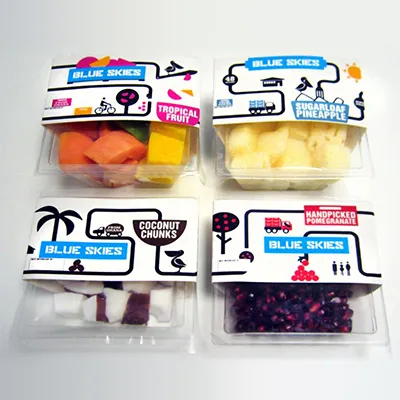
Flexible packaging is the biggest in the food industry across the world. Flexible packaging is highly important in preserving food safety and freshness, as well as convenience of snacks and frozen products, dairy products, sauces, and ready-to-eat meals.
Flexible packaging solutions offer the necessary barrier properties in terms of protection against oxygen, moisture, light and contaminants in food applications. That is provided through advanced sealing technologies that provide tamper evidence and portion-controlled designs that facilitate changes in consumer lifestyles. In the case of food manufacturers, flexible packaging can also be used to launch products faster and reduce production cycles in contrast to rigid packaging.
Types of Flexible Packaging Used Across Industries
Packaging can be flexible in various forms each being adapted to meet a particular functional and market requirement. The common packaging types that are considered to be flexible are the pouches, sachets, wraps, liners, rollstock films and even the shrink or stretch films.
Retail shelves are dominated with stand-up pouches because they are stable and they offer a branding surface whereas flat pouches and sachets are commonly employed in the single-use and sampling protocol. Rollstock films are used in fast automated package lines and primarily in food and drug production. Wraps and industrial liners ensure bulk management and efficiency of logistics.
Flexible Packaging Materials: The Science behind Performance
The use of flexible packaging material is designed to strike a balance with protection, machinability, cost efficiency, and sustainability. Majority of the flexible packaging structures are prepared using single or multi-layers materials that offer unique functional property.
Polyethylene and polypropylene plastics are flexible and heat-sealable. Polyester films are used to increase strength and clarity, whereas aluminum foil has better performance in barriers. Substrates made of paper will make them stiffer and enhance recyclability. These are usually laminated into high-performance packaging that is specific to the industries.
Sustainable Materials Used in Flexible Packaging
Green has become a determining element in materials choice. Greater use of mono-material structures, bio-based polymers, compostable films and recyclable paper laminates form the basis of sustainable flexible packaging.
Examples of eco-friendly flexible packaging materials are polyethylene that has a renewable origin, cellulose-based films, water-based coating and light paper composite. The reduction of materials as in downgauging films without affecting the strength of the films is a strategy that can also help in achieving sustainability. In the case of B2B purchasers, the innovations are beneficial in aligning the packaging options with the environmental laws and corporate ESG concessions.
Benefits of Flexible Packaging for Food Products
Flexible packaging has some obvious benefits to the food manufacturing companies that want to adopt efficiency and performance. Light buildings save transportation emissions and expenses and excellent blockage features increase shelf life and decrease food waste.
Flexible formats assist in controlling portions, resealability and convenience that are gaining significance in the contemporary food consumption trends. Production wise, flexible packaging allows higher line speeds, less storage area and less material is used as opposed to rigid versions. All these benefits rise productivity and adds to the sustainability objectives.
Flexible Packaging vs. Rigid Packaging Comparison
When comparing flexible and rigid packaging outright, one would realize why numerous industries are shifting to flexible packaging.
| Parameter | Flexible Packaging | Rigid Packaging |
| Material usage | Lower material consumption | Higher material consumption |
| Transportation efficiency | Lightweight, space-saving | Heavier, bulkier |
| Sustainability potential | High with recyclable and mono-material designs | Limited by material rigidity |
| Shelf life protection | High with advanced barriers | High but material-intensive |
| Cost efficiency | Lower logistics and storage costs | Higher transportation and warehousing costs |
Whereas there are still some uses of rigid packaging, flexible packaging offers more flexible resources and solutions to most high-volume consumer and industrial goods.
Innovations in Flexible Packaging Technology
Technological innovation is spearheading the next generation of development of flexible packaging. The task of smart packaging solutions today is the integration of QR codes, RFID tags and digital watermarks to improve the features of traceability, anti-counterfeiting, and consumer interaction.
Material science has introduced high-barrier recyclable film to replace aluminium foil which can be recycled easily without incurring a cost on the performance. Solvents free inks that are water-based, low-energy production curing technologies, are changing the environmental impact of packaging manufacturing.
Flexible packaging production is also being redefined by automation and digital printing, which enable short production, mass customization and quicker go-to-market approaches to brands.
Sustainable Flexible Packaging: From Compliance to Competitive Advantage
Sustainable flexible packaging is no longer a matter of compliance but it is now a strategic differentiator. By using eco-friendly flexible packaging materials, brands gain credibility in the market and protect their operations against the ever-changing regulations in the future.
The world retailers and governments are requiring packaging that facilitates the models of the circular economy. The manufacturers of flexible packaging are retaliating with recyclable mono-material pouches, compostable laminates and reusable or refill method packaging. In the case of B2B customers, the choice of packaging on the sustainability of the product has a direct impact on the brand value, relationships with the supplier and the stability of costs over time.
Industry Use Cases Beyond Food
Although food continues to dominate, the flexible packaging solutions are growing fast in the pharmaceutical, medical devices, and personal care, agriculture, and industrial chemicals. In medicine, the flexible packaging keeps the moisture under control and prevents tampering. In farming, the use of heavy duty flexible films safeguard the seeds of a given farm and fertilizers as well as decreasing the expenses of handling.
The cross-industry applications show that flexible packaging technologies can be used in various contexts and that they can be applicable to the sophisticated global supply chains.
Q&A: Key Questions Procurement and Packaging Leaders Ask
How do flexible packaging materials impact production efficiency?
Elastic packaging materials allow an increase in machine speed, decrease in machine down-time, and a decrease in changeover time, which enhance effectiveness of equipment in general.
Is sustainable flexible packaging cost-effective?
In spite of the potential increase in the material cost in the short term, the material cost may be higher, but, in the long-term, the cost will be saved because of the reduced expenditure on transport costs, compliance with regulations and superior brand positioning.
Can flexible packaging meet high-barrier requirements?
The new technologies in flexible packaging systems today provide similar barrier performance to the conventional rigid systems.
Glossary: Key Flexible Packaging Terms
- Flexible packaging solutions can be described as tailored packaging systems that meet particular product and supply chain and industry needs.
- Eco friendly flexible packaging materials are recyclable, compostable or less harmful to the environment materials.
- Mono-material packaging is a type of structure which is designed by using a single type of polymer that can be recycled.
Future Outlook: Where Flexible Packaging Is Headed
Sustainability, the digital era, and excellent material design are the new pillars of the future of flexible packaging. More innovations will be made in the bio-based polymers, high-barrier films that are recyclable and smart packaging systems that will transform the industry.
When there are B2B stakeholders, there is no longer a strategic decision to invest in flexible packaging; but, a strategic decision.
Flexible packaging innovations in the companies today will enable them to be better placed to address regulatory requirements, consumer demands, and operational efficiency objectives in the future.
 Our Services
 Media Pack Download
 Newsletters
 Industrial Events