

Smart & Sustainable Packaging: How AI, IoT, and Data Are Transforming the Future of Packaging
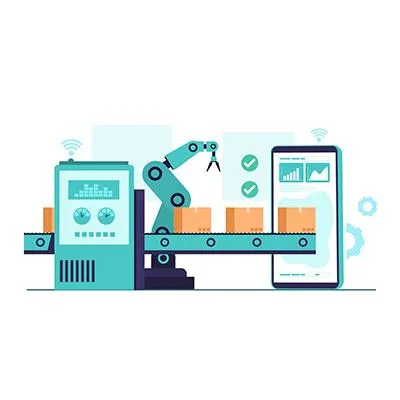
In today’s fast-evolving world, the packaging industry is no longer just about protecting products. It has become a powerful medium for communication, sustainability, and innovation. With the integration of Artificial Intelligence (AI), the Internet of Things (IoT), and eco-friendly design, packaging is transforming into a dynamic, data-driven ecosystem. This new wave of smart and sustainable packaging technology is redefining how brands connect with consumers, optimize logistics, and achieve sustainability goals.
1. The Evolution of Packaging: From Function to Intelligence
Packaging has evolved through three major stages — functional, interactive, and now intelligent. Traditional packaging focused solely on safety, durability, and product information. However, in the digital era, it has become a critical tool for brand storytelling, traceability, and sustainability.
The rise of smart packaging technology combines materials science, data analytics, and connectivity to deliver new levels of transparency and engagement. From temperature-sensitive labels that ensure product freshness to QR codes that share product origins and recycling tips, packaging is becoming more connected, intuitive, and consumer-focused than ever.
2. Artificial Intelligence in the Packaging Industry
AI is one of the biggest disruptors in modern manufacturing and packaging. It enables machines and systems to learn, predict, and optimize processes, making operations more efficient and sustainable.
a. Predictive Maintenance and Production Efficiency
AI-powered algorithms can detect irregularities in packaging lines and forecast equipment maintenance needs before breakdowns occur. This reduces downtime, minimizes waste, and improves energy efficiency.
b. Quality Control and Defect Detection
Machine vision, combined with AI, ensures real-time quality inspection. Cameras can identify imperfections such as leaks, mislabels, or damaged seals at lightning speed, ensuring consistent quality and reducing human error.
c. Data-Driven Design and Personalization
AI helps brands analyze consumer preferences and market data to design personalized and sustainable packaging. By using predictive analytics, companies can optimize materials, shapes, and even print designs to match customer trends and reduce waste.
The result? Smarter, faster, and greener packaging production.
3. IoT in Packaging: Connecting the Supply Chain
The Internet of Things (IoT) is connecting packaging to the digital world. By embedding sensors, RFID tags, or NFC chips, packaging can now communicate in real time across the supply chain. This not only boosts efficiency but also strengthens traceability and consumer trust.
a. Real-Time Tracking and Transparency
IoT-enabled smart packaging can track products from factory to shelf, providing real-time data on location, temperature, and handling conditions. This is particularly critical in pharmaceuticals, food, and beverage industries, where freshness and safety are paramount.
b. Enhanced Consumer Engagement
Interactive packaging allows consumers to scan a QR code or tap an NFC chip to access detailed product information — such as ingredient sourcing, expiry dates, recycling instructions, or authenticity verification. This transparency builds loyalty and reduces counterfeit risks.
c. Reducing Waste Through Smart Insights
IoT also helps reduce packaging waste by providing manufacturers with data-driven insights into usage patterns and material performance. With this data, brands can redesign packaging to minimize resource consumption while maintaining quality and strength.
4. The Rise of Sustainable Packaging Solutions
As climate concerns grow, sustainability is no longer optional — it’s essential. Sustainable packaging solutions are now at the core of every major brand’s innovation strategy. Smart technology plays a crucial role in achieving eco-friendly, circular economy goals.
a. Biodegradable and Recyclable Materials
Manufacturers are shifting towards bioplastics, paper-based composites, and compostable films that reduce environmental impact. When combined with intelligent design, these materials help minimize waste without compromising durability or aesthetics.
b. Smart Labels for Sustainability Tracking
Through AI and IoT, companies can integrate digital product passports that track the lifecycle of packaging materials. These passports enable better recycling and reuse practices by sharing data on material composition, disposal methods, and supply chain movement.
c. Energy Efficiency and Carbon Footprint Reduction
AI algorithms optimize logistics and material use, reducing both energy consumption and carbon emissions. By analyzing transport routes, material density, and packaging sizes, brands can achieve a smaller ecological footprint while maintaining cost efficiency.
5. Intelligent Packaging Systems: Enhancing Safety and Experience
Intelligent packaging systems integrate sensors, indicators, and digital identifiers that add functionality beyond containment. They protect, inform, and even interact with consumers.
a. Active and Smart Packaging
Active packaging helps extend shelf life by controlling moisture, oxygen, or temperature inside the package. Smart packaging, on the other hand, uses indicators (like color-changing labels) to communicate freshness or tampering, ensuring consumer safety.
b. Smart Packaging in Healthcare and Food
In the pharmaceutical industry, intelligent packaging can remind patients to take medication, monitor dosage, or verify authenticity. In food packaging, sensors detect spoilage or temperature abuse, preventing health risks and food waste.
c. Immersive Brand Experiences
By merging augmented reality (AR) and smart labeling, brands are turning packaging into an interactive marketing channel. A simple smartphone scan can unlock AR experiences, loyalty programs, or product tutorials — turning an ordinary box into a digital gateway.
6. Digital Transformation and Data-Driven Insights
The integration of AI, IoT, and data analytics has ushered in a new era of digital transformation in packaging. Every interaction — from production to consumer engagement — generates valuable data.
a. Smarter Supply Chain Decisions
Data collected from IoT-enabled packaging helps companies forecast demand, reduce inventory waste, and enhance logistics. With predictive analytics, packaging becomes not just a container, but a source of business intelligence.
b. Blockchain for Traceability
Some brands are adopting blockchain technology to ensure full transparency in their packaging lifecycle. This immutable record allows both companies and consumers to verify authenticity, origin, and ethical sourcing, building trust across the value chain.
c. Human + Machine Collaboration
AI-driven packaging design tools assist engineers and designers in creating optimized, sustainable structures. This human-machine synergy speeds up innovation while ensuring compliance with environmental and safety standards.
7. Challenges and Opportunities Ahead
Despite rapid progress, several challenges remain in implementing smart and sustainable packaging on a global scale.
- Cost and Infrastructure: AI- and IoT-based systems require significant investment in digital infrastructure.
- Data Privacy: With connected packaging collecting consumer data, privacy and cybersecurity are critical.
- Material Innovation: Developing affordable, durable, and eco-friendly materials remains a key challenge.
- Standardization: The industry needs global standards to ensure interoperability of smart systems.
However, these challenges also present opportunities. As governments push for green regulations and consumers demand eco-conscious solutions, companies investing early in intelligent and sustainable packaging will gain a competitive advantage.
8. The Future of the Packaging Industry
Looking ahead, the future of the packaging industry lies in integration, intelligence, and impact. Smart packaging will become the new standard, seamlessly combining digital connectivity with sustainability. We’ll see packages that can monitor freshness, talk to consumers, report carbon data, and self-decompose safely after use.
As AI becomes more advanced and IoT networks expand, packaging will evolve from being a passive element into an active participant in the product lifecycle — enhancing safety, sustainability, and customer engagement simultaneously.
Conclusion
The packaging industry stands at the intersection of technology, sustainability, and human experience. Smart packaging powered by AI and IoT is no longer a futuristic idea — it’s the foundation of a connected, sustainable, and intelligent future.
From real-time tracking and digital engagement to eco-friendly innovation and predictive analytics, this transformation is reshaping how brands operate and how consumers interact with products.
The message is clear: the future of packaging isn’t just about what’s inside — it’s about how technology and sustainability come together to make every package smarter, greener, and more meaningful.
 Our Services
 Media Pack Download
 Newsletters
 Industrial Events