




Safe Food For Faithful Fido
30 January 2024
Any contamination is a food safety issue that can have a negative and potentially irreparable effect on a pet processor’s reputation. Catching metal contaminants at the tail-end of lines can be more expensive. Fortress Technology reveals the benefits of installing inline metal detection equipment upstream on pet processing lines.
BREEDING TRUST
Providing a plethora of well-being benefits to owners, from companionship to support therapy and even preventing certain health conditions, pets undoubtedly play a vital role in their humans’ lives. Currently, 86.9 million U.S. households own a pet, with 85% of dog owners and 76% of cat owners considering their pets to be a member of the family.
Most owners will say the love of a pet is priceless. Their bank accounts, however, disagree. Sales of natural versions of pet slurries, kibble and raw diets have escalated, with many owners admitting their furry friends eat better than they do. Testament to this, 6% of Americans now spend more on pet food than they do on their own household groceries. Given these rising expectations, robust pet food safety practices can ensure the delivery of premium quality for our faithful cuddly companions.
Sensitive and hygienic inspection equipment is crucial to pet food processors looking to safeguard their brand and increase revenue. The Federal Food, Drug, and Cosmetic Act (FFDCA) requires that all animal foods, like human foods, be safe to eat, produced under sanitary conditions, truthfully labeled, and contain no harmful substances.
PROTECTING BRANDS
With wet pet food processing compliance demanding the highest levels of sanitation, the Fortress Meat Pump Pipeline Metal Detector tackles contamination and hygiene simultaneously. Utilized to prevent metal contaminants from reaching the packing stage, the inspection system’s removable ultra-hygienic plastic tube is constructed from food-safe Delrin.
IP69K-rated and USDA compliant, the slimline metal detector is constructed with no metal ends, ensuring no bacteria-harboring crevices. Customized wrenches stored on the machine enable operators on wet food processing lines to loosen and tighten the pipe’s threads without the risk of damaging the equipment. The fully adjustable mobile frame with an electric lift gives processors maximum flexibility. Additionally, the unique rail mounted reject valve supports fast removal of the pipe for cleaning and reassembly.
In less than three minutes, operatives can blast high pressure water jets through the system, eliminating bacteria and product residue to prevent cross contamination. Features like this are especially useful in enclosed metal detector pipeline configurations, which are virtually impossible to access efficiently. By optimizing hygiene standards, the Fortress Meat Pump Pipeline machine helps to prevent the spread of bacteria in pet food products, providing quality assurance to both pet owners and processors alike.
There are virtually no limitations to installing metal detectors, although specific features of likely contaminants, the product, packaging, processing and supply chain may determine whether metal detection is chosen for a particular point on a pet food processing line. Should pet food processors need to detect other physical contaminants, for example glass or bone, they may opt for x-ray. However, this technology might not be viable for specific products, for example, gravity applications inspecting kibble.
Gravity metal detectors are another common sight on dry kibble and treat lines. They are often located between product chutes and hoppers and integrated with automated packing systems and checkweighers.
For final quality checks, highly sensitive bulk metal detectors and checkweighers can be added for large pet food bags and boxed wet food trays.
FETCH THE STICK
To optimize these inspection systems, automatic testing can be deployed. Running performance verification tests at regular intervals, these automatic tests are cleaner, more accurate, and offer savings in labor and waste.
A number of Fortress pet processors use Halo automatic testing to reduce the risk of human error by eliminating the challenge of manually inserting and retrieving test sticks and balls from enclosed pipeline or gravity inspection systems.
To manually test pipeline applications, operators might insert the test piece in the gap between the tube and the aperture, which is the most sensitive part of the metal detector. This may deliver a great signal. However, it’s not representative of testing for metal contaminants in the product flow.
Equally, introducing the test piece into the actual product flow can be even more convoluted and time-consuming. This test process requires operators to recover the test sample from the product after it has flowed through the pipeline system, or disassemble and reseal the pipe. Not only is this messy, it can increase test times from several minutes to between 15 to 20 minutes.
Testing gravity metal detectors can be even more challenging. Climbing up above kibble production silos to perform testing manually is usually a two-person task, and can be a safety risk even with the most robust precautions in place. Additionally, dropping the test sample from a height, consistently through the exact centre of the aperture and product flow is nearly impossible and rarely challenges the metal detectors’ capability.
To overcome these gravity access challenges, some metal detectors may be fitted with a test ball insertion port at the top of the non-metallic product tube. Although this might make it easier to insert the test balls, in most cases the freefall height is well above the local insertion port. This means that the test is performed at a slower speed and doesn’t reflect the true freefalling velocity of real-life contaminants falling from height. Thus, failing to challenge the reject valve reaction time.
The Fortress automatic testing solution, Halo, solves this by enabling pet processors to activate tests remotely, locally or automatically on a timer. Tests can be scheduled without the need to halt production to place and retrieve test samples. The validated test data is digitally saved for audit and reporting purposes. Using the Contact 4.0 data collection system, pet processors can network multiple Fortress machines to generate more comprehensive machine performance reports.
With animal owners spending such sizable sums on premium wet and dry foods, pet food processors need to ensure every meal and treat has undergone thorough contamination detection. No matter the ingredients or application format, pet food production lines today must reflect the authentic safety, wellbeing and trust that owners and their faithful companions expect.
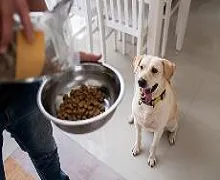
Image 1: The FFDCA requires that all animal foods, are produced under sanitary conditions, contain no harmful substances, and be truthfully labeled.
Image 2: A single piece of ultra-hygienic removable Delrin tube on the Meat Pump Metal Detector eliminates crevices that may harbor bacteria.