


Articles
Biodegradable & Compostable Packaging Buying Guide for Packaging Specialists
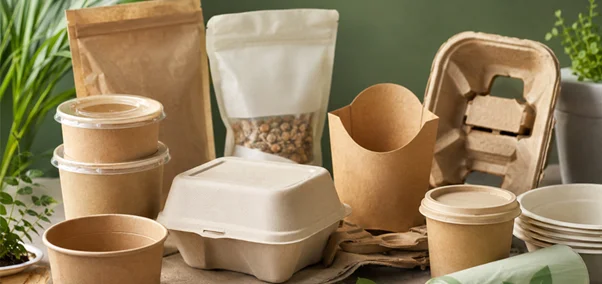
Table of Contents
- What Is Biodegradable & Compostable Packaging?
- Biodegradable vs. Compostable Packaging: What's the Real Difference?
- Common Biodegradable & Compostable Packaging Materials
- Compostable Packaging for Food: Special Considerations
- Key Specifications to Check
- Compostable Packaging Certification: What the Labels Actually Mean
- How to Choose Compostable Packaging for Your Product
- MOQ, Lead Time & Pricing Factors
- Supplier Verification Checklist
- Packaging Sustainability Trends 2026
- Common Mistakes Buyers Make
- Frequently Asked Questions
1. What Is Biodegradable & Compostable Packaging?
For packaging specialists building out a sustainable sourcing strategy, this biodegradable packaging guide and compostable packaging guide is meant to cut through a lot of the marketing noise around "green" packaging. Both terms describe materials designed to break down naturally at the end of their life, rather than persisting in landfills or waterways the way conventional plastic does. But they aren't interchangeable, and treating them as synonyms is one of the fastest ways to end up with a sourcing decision — or a compliance problem — you didn't intend.
Biodegradable packaging materials break down through natural biological processes, but the timeline and conditions required vary enormously depending on the material. Compostable packaging materials go a step further: they break down into non-toxic, nutrient-rich compost within a defined timeframe and under specific conditions, without leaving behind micro plastics or harmful residue.
This distinction matters more than most buyers realize, especially now that retailers, regulators, and end consumers are all paying closer attention to sustainability claims. As demand for eco-friendly packaging solutions grows across FMCG, food service, e-commerce, and cosmetics, packaging specialists need a working understanding of what these materials actually do — not just what the label says.
Buyer Tip: Before sourcing anything labeled "eco-friendly," ask the supplier to specify whether the product is biodegradable, compostable, or both — and under what conditions. Vague sustainability language is one of the biggest red flags in this category.
2. Biodegradable vs. Compostable Packaging: What's the Real Difference?
The biodegradable vs. compostable packaging question comes up constantly, and for good reason — the two terms get used almost interchangeably in marketing copy, even though they mean different things technically.
Biodegradable simply means a material will eventually break down through the action of bacteria, fungi, or other microorganisms. There's no standardized timeframe attached to the term on its own — a material could technically be "biodegradable" and still take decades to fully decompose, particularly if it ends up in a landfill with limited oxygen and microbial activity.
Compostable is a more specific and regulated claim. Compostable materials break down within a defined period (often 90–180 days under industrial composting conditions) into water, carbon dioxide, and biomass, leaving no toxic residue. Compostable packaging is typically certified against a recognized standard, which biodegradable packaging often is not.
In practice, this means:
- A material can be biodegradable without being compostable
- Compostable materials are almost always biodegradable, but under more controlled conditions
- Only compostable claims tend to come with third-party certification and testing data
For packaging specialists making sourcing decisions, this difference should drive the spec sheet, not just the marketing brief.
3. Common Biodegradable & Compostable Packaging Materials
Sustainable packaging materials in this category fall into a few broad families, each with different strengths, costs, and applications.
- PLA (Polylactic Acid) — Derived from fermented plant starch (usually corn or sugarcane); commonly used for compostable packaging for food, cups, and cutlery
- Molded fiber / pulp packaging — Made from recycled paper, bagasse, or bamboo fiber; strong, rigid, and widely used for trays, clamshells, and protective inserts
- Kraft paper with compostable coatings — Standard kraft paper with plant-based or water-resistant compostable linings, used for pouches and food wraps
- PHA (Polyhydroxyalkanoates) — A biodegradable bioplastic that breaks down in marine and soil environments, increasingly used for films and flexible packaging
- Mushroom (mycelium) packaging — A newer entrant used mostly for protective/void-fill packaging, grown rather than manufactured
- Cellulose-based films — Plant-derived alternatives to plastic film, used for wrapping and windowed packaging
Each material has trade-offs in cost, moisture resistance, barrier properties, and shelf-life impact, which is why the right choice depends heavily on the product being packaged — not just the sustainability goal.
4. Compostable Packaging for Food: Special Considerations
Compostable packaging for food carries additional requirements beyond general sustainability sourcing, because it has to perform two jobs at once: protect the product and meet food-contact safety standards.
Key considerations for biodegradable food packaging include:
- Grease and moisture resistance — Many compostable materials need a coating or lining to hold up against oily or wet foods without compromising compostability
- Food-contact safety compliance — Materials must meet relevant food-safety regulations in the markets where they'll be sold, not just compostability standards
- Shelf-life impact — Some compostable films and coatings have different barrier properties than plastic, which can affect product freshness and shelf life
- Heat tolerance — For hot food applications, confirm the material's temperature threshold before it warps or degrades prematurely
Buyer Tip: Ask suppliers for food-contact test data alongside compostability certification. A material can be certified compostable and still fail to meet food-safety requirements in your target market if it hasn't been separately tested for that use case.
5. Key Specifications to Check
Before finalizing an order, confirm these details in writing — they determine whether the packaging performs and whether your compostability claims hold up to scrutiny.
- Base material composition (PLA, bagasse, PHA, coated kraft, etc.)
- Compostability standard met (industrial vs. home compostable — these are not the same)
- Breakdown timeframe under specified conditions
- Barrier properties (moisture, grease, oxygen resistance)
- Certification number and issuing body
- Print compatibility (some coatings limit ink adhesion or require compostable inks)
- Shelf-life and storage stability of the packaging itself before use
Buyer Tip: "Industrial compostable" and "home compostable" require very different end-of-life infrastructure. If your end customers don't have access to industrial composting facilities, home-compostable materials may be the more realistic choice — check regional composting infrastructure before finalizing a spec.
6. Compostable Packaging Certification: What the Labels Actually Mean
Compostable packaging certification is one of the clearest ways to separate credible suppliers from greenwashed marketing. Look for these recognized standards:
- EN 13432 (Europe) — Industrial compostability standard covering biodegradation, disintegration, and eco-toxicity
- ASTM D6400 (US) — Similar industrial compostability standard for plastics
- TÜV Austria "OK Compost" / "OK Compost Home" — Certifies industrial or home compostability specifically
- BPI (Biodegradable Products Institute) — Widely recognized North American certification body
- ISO 17088 — International standard for compostable plastics
A genuine certification will come with a certificate number you can verify directly with the issuing body. If a supplier can't produce documentation or the certificate number doesn't check out, treat any compostability claim as unverified.
7. How to Choose Compostable Packaging for Your Product
Knowing how to choose compostable packaging comes down to matching material properties to your product's real-world requirements, not just picking the "greenest-sounding" option.
Start with these questions:
- What does the product need protection from (moisture, grease, impact, light)?
- Will the packaging reach industrial composting infrastructure, or does it need to be home-compostable?
- Does the product require food-contact certification?
- What's the expected shelf life of the product, and does the packaging support it?
- Does your target market have specific labeling or certification requirements for compostability claims?
As a general rule: molded fiber and coated kraft paper suit rigid or semi-rigid applications like trays and boxes; PLA and PHA films suit flexible packaging and food service items; and mycelium or fiber-based void fill suits protective packaging where structural rigidity matters less than cushioning.
8. MOQ, Lead Time & Pricing Factors
Pricing and minimum order quantities for compostable packaging suppliers vary more than they do for conventional plastic packaging, largely because production volumes are still scaling in this category.
- MOQ — Often higher than plastic equivalents, since specialty compostable substrates require dedicated production runs; ranges from a few thousand units for stock items to tens of thousands for custom formats
- Lead time — Standard stock items may ship in 2–4 weeks; custom-printed or custom-molded compostable packaging can take 6–10 weeks due to tooling and material sourcing
- Pricing factors — Raw material cost (PLA and PHA remain more expensive than conventional plastic resin), certification and testing costs, order volume, and print complexity all affect unit pricing
Compostable materials typically carry a price premium of 15–40% over conventional plastic packaging, though this gap has been narrowing as production scales and demand grows across FMCG and food service sectors.
9. Supplier Verification Checklist
Before committing to biodegradable packaging manufacturers or compostable packaging suppliers, verify:
- Certification documentation with a verifiable certificate number
- Physical samples tested under your actual storage and shipping conditions
- Food-contact compliance documentation, if applicable
- References or verified transaction history
- Clear breakdown timeframe and required composting conditions
- MOQ, lead time, and payment terms confirmed in writing
Buyer Tip: Request a sample batch and run your own basic compostability check (or send it to a third-party lab) before committing to a large order — self-reported claims without documentation are common in this space.
10. Packaging Sustainability Trends 2026
Packaging sustainability trends 2026 point toward tighter regulation and higher buyer expectations across the board. A few shifts packaging specialists should watch:
- Stricter compostability labeling laws in the EU and parts of North America, cracking down on vague "eco-friendly" claims
- Growth in PHA and marine-degradable materials, aimed at packaging that may end up in uncontrolled environments
- Rising demand for biodegradable packaging for FMCG, driven by retailer sustainability mandates and consumer preference shifts
- Expansion of home-compostable certification, as industrial composting infrastructure remains limited in many regions
- Increased scrutiny of "greenwashing" claims, with regulators requiring documented evidence behind sustainability marketing
Buyers who get ahead of these trends now — by building supplier relationships with certified, well-documented compostable packaging options — will be better positioned as compliance requirements tighten.
11. Common Mistakes Buyers Make
- Treating "biodegradable" and "compostable" as interchangeable terms in sourcing specs
- Choosing a material based on sustainability messaging alone, without checking certification
- Overlooking regional composting infrastructure when specifying industrial vs. home compostable materials
- Skipping food-contact safety verification for compostable packaging for food
- Not requesting samples before a bulk production run
- Assuming compostable packaging performs identically to plastic in barrier and shelf-life properties
12. Frequently Asked Questions
Is biodegradable packaging the same as compostable packaging?
No. Biodegradable packaging will break down over time through natural processes, but without a guaranteed timeframe or defined end product. Compostable packaging breaks down into non-toxic compost within a specific timeframe under defined conditions, and is typically backed by third-party certification.
What's the difference between industrial and home compostable packaging?
Industrial compostable packaging requires the high heat and controlled conditions of a commercial composting facility to break down properly. Home compostable packaging is certified to break down under the lower, less controlled conditions of a typical backyard compost bin. Choosing the wrong one for your target market can mean the packaging never actually composts as intended.
How do I verify a compostable packaging certification is real?
Ask the supplier for the certificate number and issuing body (such as BPI, TÜV Austria, or a body certifying against EN 13432 or ASTM D6400), then verify it directly through the certifying organization's public database.
Are compostable packaging materials more expensive than plastic?
Generally, yes — typically 15–40% more, depending on the material and order volume. That gap has been narrowing as production scales, and for many FMCG and food brands the cost difference is increasingly offset by retailer sustainability requirements and consumer demand.
Can compostable packaging be used for all food products?
Not always without modification. Compostable materials may need additional grease- or moisture-resistant coatings for certain food categories, and any coating used must itself be certified compostable and food-safe to preserve the packaging's overall compostability and safety claims.
 Our Services
 Media Pack Download
 Newsletters
 Industrial Events