

Top 12 Sustainable Packaging Strategies That Drive Brand Differentiation and Sales Growth
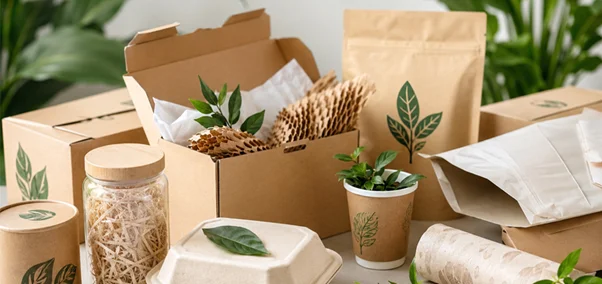
Walk down any supermarket aisle or scroll through an online store today, and you'll notice something has changed. Shoppers aren't just checking price tags anymore — they're flipping boxes over to read about materials, recyclability, and carbon footprints. Packaging has quietly become one of the loudest ways a brand can speak to its customers.
That shift is why so many companies are now rethinking their approach to packaging from the ground up. It's no longer a back-office decision handled purely by procurement. It's a marketing tool, a trust signal, and increasingly, a genuine driver of revenue. Below are twelve practical, proven sustainable packaging strategies that brands are using right now to stand out and sell more.
1. Partner With a Sustainable Packaging Supplier Early
The single biggest mistake brands make is treating sustainability as an afterthought bolted onto existing packaging designs. Working with an experienced sustainable packaging supplier from the start of product development lets you build eco-conscious choices into the design itself — material selection, box dimensions, printing methods — rather than retrofitting them later. Suppliers who specialize in this space also stay current on certifications, regulations, and material innovations, which saves brands from costly redesigns down the road.
2. Invest in Custom Sustainable Packaging
Generic, off-the-shelf boxes rarely reflect a brand's personality, and they often waste material because they aren't sized to the product. Custom sustainable packaging solves both problems at once. Right-sized boxes reduce material use and shipping costs, while custom printing, branded inserts, and unique unboxing moments create the kind of shareable experience customers post about online. Custom doesn't have to mean expensive — many suppliers now offer scalable custom options even for smaller order volumes.
3. Choose Recyclable Packaging Solutions
Recyclability remains one of the clearest, most universally understood sustainability signals for consumers. Recyclable packaging solutions — think corrugated cardboard, mono-material plastics, or paper-based mailers — are easy for customers to dispose of responsibly and easy for brands to explain. The key is designing for actual recyclability, not just theoretical recyclability. That means avoiding mixed-material laminates or hard-to-remove adhesives that keep packaging out of recycling streams even when the label says otherwise.
4. Work With a Biodegradable Packaging Company
For products where recycling infrastructure is inconsistent or unavailable, biodegradable materials offer another path forward. A specialized biodegradable packaging company can help identify materials — like mushroom-based mycelium, seaweed-derived films, or plant-fiber composites — that break down naturally without leaving behind microplastics or toxic residue. This matters especially for food, cosmetics, and single-use items where recycling rates are historically low.
5. Source From a Compostable Packaging Supplier
Compostable packaging goes a step further than biodegradable by breaking down into nutrient-rich material within a defined timeframe under composting conditions. A reliable compostable packaging supplier will provide third-party certification (such as BPI or TÜV Austria) confirming the material meets recognized compostability standards. This is particularly valuable for food brands, meal kits, and coffee companies whose customers already compost organic waste at home.
6. Optimize Sustainable Packaging for Ecommerce
Online retail brings its own packaging challenges — products need to survive shipping, minimize dimensional weight charges, and still create a positive first impression when the box arrives at someone's door. Sustainable packaging for ecommerce typically means lightweight, curbside-recyclable mailers, minimal void fill made from recycled paper instead of plastic air pillows, and package sizing calibrated to reduce both material waste and shipping emissions. Brands that get this right often see fewer damaged-in-transit returns too.
7. Choose an Eco-Friendly Packaging Manufacturer With Real Credentials
Not every company claiming to be "green" backs it up with verifiable practices. An established eco-friendly packaging manufacturer should be able to show energy-efficient production processes, responsible sourcing, and reduced water and chemical use in manufacturing. Ask potential manufacturing partners for documentation, not just marketing claims — supply chain transparency is quickly becoming a baseline expectation rather than a bonus.
8. Go Plastic-Free Where It Matters Most
Plastic reduction remains one of the most visible and emotionally resonant sustainability moves a brand can make. Plastic-free packaging — replacing shrink wrap, bubble mailers, and plastic tape with paper-based, fiber-based, or plant-based alternatives — resonates strongly with environmentally conscious consumers, particularly in beauty, food, and apparel categories. It doesn't have to be all-or-nothing either; even swapping out the highest-impact plastic components first can create meaningful momentum.
9. Pursue FSC Certification
For any brand using paper or wood-fiber packaging, FSC certified packaging offers third-party assurance that materials come from responsibly managed forests. This certification carries real weight with consumers because it's independently verified rather than self-declared. Displaying the FSC logo on packaging is a simple, credible way to build trust without needing to explain complex sourcing practices in your own words.
10. Bring in Sustainable Packaging Consulting Expertise
Sustainability decisions touch design, procurement, logistics, and compliance all at once, which is a lot for internal teams to navigate alone. Sustainable packaging consulting services help brands audit current packaging, benchmark against competitors, and build a realistic roadmap — balancing environmental goals against cost, durability, and brand aesthetics. Consultants can also help avoid greenwashing pitfalls that could damage credibility if claims don't hold up to scrutiny.
11. Build a Long-Term Sustainable Packaging Strategy, Not a One-Off Project
The brands seeing the biggest returns treat this as an ongoing discipline rather than a single redesign. Strong sustainable packaging strategies include measurable goals — percentage of recycled content, reduction in plastic use, emissions per shipment — reviewed and updated annually. This also means training procurement and design teams to evaluate sustainability alongside cost and functionality on every new product launch, not just the flagship ones.
12. Communicate the Story, Not Just the Materials
Even the most sustainable packaging won't move the needle if customers don't know about it. Brands should clearly explain sourcing, certifications, and disposal instructions directly on the package and across product pages. Simple, honest language — "this box is 100% curbside recyclable" — outperforms vague claims like "eco-friendly" that leave shoppers skeptical. Transparency here builds the kind of trust that turns into repeat purchases.
How Sustainable Packaging Increases Sales
Sustainable packaging increases sales in several measurable ways. First, it directly influences purchase decisions — a large share of consumers say they're willing to pay more for products in environmentally responsible packaging, and many actively choose brands that demonstrate sustainable practices over those that don't. Second, distinctive, well-designed sustainable packaging improves brand recall and encourages organic social sharing, particularly unboxing content, which functions as free marketing. Third, lighter, right-sized sustainable packaging often reduces shipping and material costs, improving margins even as it appeals to buyers. Finally, sustainability credentials build long-term brand trust, which correlates with higher customer retention and lifetime value — meaning the sales benefit compounds well beyond the first purchase.
Frequently Asked Questions
What are the most effective sustainable packaging strategies for brands right now?
The most effective approaches combine material choices — recyclable, biodegradable, or compostable — with right-sized custom designs, credible certifications like FSC, and clear on-package communication so customers understand exactly what they're getting.
Is sustainable packaging more expensive than conventional packaging?
It depends on materials and order volume, but costs have narrowed significantly as demand has grown. Many brands also offset costs through reduced material use, lower shipping weights, and improved customer retention.
How do I choose between biodegradable and compostable packaging?
Biodegradable materials break down naturally over time in various environments, while compostable materials are certified to break down within a set period under specific composting conditions. Compostable is generally the more rigorously defined and verifiable claim.
Does sustainable packaging actually influence buying decisions?
Yes — environmentally friendly packaging increasingly factors into purchase decisions, particularly among younger shoppers, and it plays a growing role in repeat purchase behavior and brand loyalty.
Final Thoughts
Sustainable packaging has moved well past being a nice-to-have. It's now a genuine competitive lever — one that touches cost efficiency, customer trust, and brand identity all at once. Brands that invest early in the right partners, materials, and messaging aren't just reducing their environmental footprint; they're building a packaging strategy that customers notice, appreciate, and reward with their loyalty.
 Our Services
 Media Pack Download
 Newsletters
 Industrial Events