

Top 6 Minimalist Packaging Designs That Cut Material Costs While Boosting Shelf Appeal
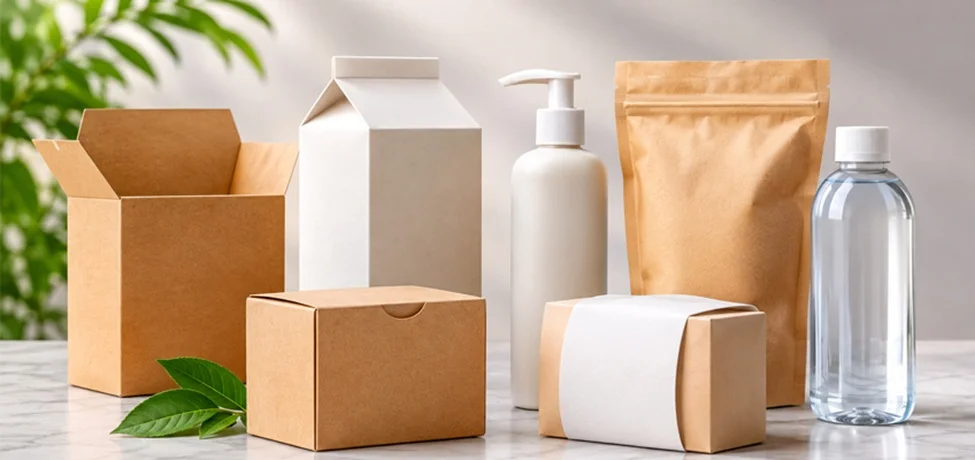
Quick answer: Minimalist packaging design cuts costs by using fewer materials, fewer print colors, fewer components and less empty space. The six most effective approaches are right-sized boxes, single-piece folding cartons, downgauged plastic, label-free or one-color printing, sleeve-and-wrap formats, and flat-pack or nesting structures. Together they can lower material spend, shipping costs and waste while giving your product a cleaner, more premium look.
A few years ago, a small manufacturer told me something I still think about: "We were paying extra to make our product look busier than it needed to be."
Foil stamping, a plastic window, a foam insert, three print colors, a sticker on top of the label. Every piece felt justified on its own. Together, they added cost, complexity and, strangely, clutter.
If that sounds familiar, you're not alone. Rising raw-material prices, freight costs and sustainability expectations are pushing manufacturers to rethink how much packaging they actually need. The good news is that packaging material reduction and better shelf appeal are not opposing goals. Done well, they feed each other.
Below are six minimalist packaging designs that do both, plus a practical way to start, and answers to the questions people ask most.
What Is Minimalist Packaging Design (and Why Does It Save Money)?
Minimalist packaging design is the practice of removing everything that doesn't serve the product, the customer or the brand. That means fewer materials, fewer components, simpler graphics and smarter structure.
It saves money in three ways:
1. Less material per unit. Every gram you remove is multiplied across thousands or millions of units.
2. Lower production complexity. Fewer parts and print passes mean faster lines and fewer errors.
3. Cheaper logistics. Lighter, smaller packs fit more units per pallet and truck.
That's the foundation of cost-effective packaging design. Now let's get into the designs.
1. Right-Sized Packaging (Eliminate the Empty Space)
Ask anyone who has opened an online order and found a tiny item rattling inside a huge box. That empty space is wasted cardboard, wasted filler and wasted freight.
How it cuts costs: A box sized closely to the product uses less board, needs less void fill and often qualifies for lower shipping tiers based on dimensional weight.
How it boosts shelf appeal: A snug, well-proportioned pack looks confident and intentional. It also signals care, which shoppers read as quality.
Quick tips:
- Measure the product with real tolerances, not "just in case" margins.
- Test two or three box sizes before committing to tooling.
- Replace bulky fillers with a simple fold or a paper wrap.
This is one of the fastest answers to how to reduce packaging material costs because it often requires no new materials, only a better dimension.
2. Single-Piece Folding Carton (No Glue, No Insert)
Many cartons come with a separate insert, a glued seam and sometimes an extra tray. Each of those adds material, labor and a point of failure.
A single-piece folding carton uses clever die-cut geometry so the pack locks, holds and presents the product without adhesive or extra components. Think tuck-in tabs, interlocking flaps and built-in product cradles.
How it cuts costs: Fewer components means fewer purchase orders, less assembly time and no adhesive. It also simplifies recycling because the consumer is handling one material.
How it boosts shelf appeal: Clean folds and crisp edges look elegant. When the structure itself is the design, you don't need decoration to feel premium.
Best for: Cosmetics, supplements, small electronics, food boxes and gift items.
This is a textbook example of material-efficient packaging: the form does the work, so the materials don't have to.
3. Downgauged, Lightweight Plastic Packaging
Plastic gets a bad reputation, but in many cases the real problem is too much plastic, not plastic itself. Bottles, tubs and films are often over-engineered with walls thicker than the product truly needs.
Plastic packaging design optimization focuses on removing excess material without compromising strength.
Common techniques include:
- Downgauging: thinner walls or films where strength isn't critical
- Ribbing and structural shaping: adding geometry that restores rigidity with less resin
- Lighter closures: smaller caps, shorter necks, lighter pumps
- Mono-material builds: one polymer type instead of laminated layers, which improves recyclability
How it cuts costs: Resin is a major cost driver. Shaving even a small percentage off each pack adds up quickly at volume, and lighter packs are cheaper to ship.
How it boosts shelf appeal: Sleek, slimmer profiles look modern. Clear, uncluttered containers let the product itself take the spotlight.
This is lightweight packaging design at its most practical. Always validate with drop, compression and shelf-life tests so savings don't turn into returns.
4. One-Color or Label-Free Printing
Full-bleed, multi-color artwork looks impressive in a design review. On the shelf and on the balance sheet, it's often less impressive.
Many brands are now cutting back to a single ink color on natural kraft or white board, or printing directly on the container instead of adding a separate label.
How it cuts costs:
- Fewer ink stations and print passes
- No label stock, adhesive or liner waste
- Simpler plates and faster setup
- Easier recycling, since fewer coatings and laminates are involved
How it boosts shelf appeal: Restraint stands out. In an aisle full of shouting colors, a calm, well-typeset pack with generous white space feels premium and trustworthy. Research and retail experience both show that clear hierarchy beats visual noise when shoppers decide in seconds.
Design tip: Let typography and one strong brand color carry the pack. Use the natural texture of the material as part of the design.
This is minimalist packaging design in its purest form, and one of the easiest ways to apply packaging design for cost reduction without touching the structure at all.
5. Sleeve-and-Wrap Formats (Skip the Full Box)
Does your product really need a full carton? Often, a wrapper, band or sleeve does the same job for a fraction of the material.
A printed paperboard sleeve around a tray, a belly band on a bundled product, or a simple wrap around a bar of soap can carry your branding, regulatory info and barcode with far less board.
How it cuts costs: You're using a strip of material instead of six full panels. Storage and shipping are also lighter because sleeves ship flat.
How it boosts shelf appeal: Because the product is partly visible, shoppers can see what they're buying. That transparency builds trust and gives the design an honest, modern feel.
Best for: Soaps, candles, snack bars, stationery, bundled goods and multipacks.
Among packaging designs that reduce material usage, sleeves are one of the most underrated, especially for manufacturers moving away from rigid boxes.
6. Flat-Pack and Nesting Structures
Space is money. Packaging that ships and stores flat, or stacks neatly inside itself, reduces warehouse and freight costs even when the material cost stays the same.
Flat-pack designs are assembled at the point of fill or by the customer. Nesting designs, like tapered cups and stackable trays, fit inside each other before use.
How it cuts costs: More empty units per pallet means fewer shipments of packaging materials, lower storage costs and less damage in transit.
How it boosts shelf appeal: Geometric, structured shapes look clean and organized on shelf, and stackable formats create neat, eye-catching displays.
This approach is central to sustainable packaging cost reduction: lower transport emissions and lower expenses at the same time.
Quick Comparison: Which Minimalist Design Fits Your Product?
|
Design |
Main Saving |
Best For |
Effort to Implement |
|
Right-sized packaging |
Board + shipping |
E-commerce, general goods |
Low |
|
Single-piece folding carton |
Components + labor |
Cosmetics, supplements |
Medium |
|
Downgauged plastic |
Resin + freight |
Beverages, personal care |
Medium–High |
|
One-color / label-free print |
Ink + labels |
Food, retail, artisan |
Low |
|
Sleeve-and-wrap |
Board |
Soaps, bars, bundles |
Low–Medium |
|
Flat-pack / nesting |
Storage + freight |
High-volume manufacturers |
Medium |
How to Start: A Simple 5-Step Packaging Cost Optimization Plan
You don't need to redesign everything at once. Here's a practical path for minimalist packaging solutions for manufacturers:
1. Audit what you use. List every component in your pack, its weight and its cost per unit.
2. Question each element. Ask: does the customer notice this? Does it protect the product? Does it carry required information? If not, it's a candidate to remove.
3. Prioritize quick wins. Right-sizing and reducing print colors usually deliver savings fastest.
4. Prototype and test. Run drop, stacking and shelf tests, and show prototypes to real shoppers.
5. Measure the result. Track cost per unit, damage rates, freight cost and sales performance before and after.
Remember, the goal of packaging cost optimization is not the cheapest pack. It's the best value: lowest cost for the protection, appeal and sustainability your product needs.
Common Mistakes to Avoid
- Cutting protection to cut cost. Damaged goods cost far more than extra board.
- Confusing minimalist with boring. Minimal doesn't mean forgettable. Use bold typography, texture and structure to create impact.
- Ignoring regulations. Labeling, safety and barcode requirements still apply.
- Skipping the recyclability check. Switching materials without checking local recycling systems can undermine your sustainability claims.
- Not involving your supplier early. Converters and printers often spot savings that designers miss.
Frequently Asked Questions
How can I reduce packaging material costs without hurting quality?
Start with right-sizing, removing unnecessary components and simplifying print. These changes reduce material and labor without affecting protection. Always run performance tests before scaling up.
What is material-efficient packaging?
Material-efficient packaging delivers the same protection and function using less material. It's achieved through smarter structure, lighter materials, fewer components and better sizing.
Does minimalist packaging really improve shelf appeal?
In many categories, yes. Clean layouts, clear hierarchy and honest materials help shoppers understand a product quickly and often signal quality and sustainability. That said, results depend on your audience and category, so test with real customers.
Is lightweight packaging as strong as heavier packaging?
It can be, if it's engineered properly. Structural features like ribs, gussets and smart geometry maintain strength while using less material. Testing is essential.
What is the easiest way to start a packaging material reduction project?
Weigh and cost every component of your current pack, then look for what can be removed, shrunk or combined. Right-sizing and print simplification are usually the lowest-risk starting points.
Is sustainable packaging more expensive?
Not always. When sustainability comes from using less material, it usually lowers costs. Premium specialty materials can cost more, so the savings often come from reduction first, substitution second.
Final Thoughts
Great packaging isn't about adding more. It's about knowing what to leave out.
Each of the six designs above, from right-sized boxes to flat-pack structures, shows that packaging design for cost reduction can also be packaging design for better branding. Fewer materials, cleaner shapes and clearer messages help your product stand out while keeping your costs in check.
Pick one design, test it on a single product line, and measure the results. Small, confident changes tend to add up faster than a big redesign.
 Our Services
 Media Pack Download
 Newsletters
 Industrial Events