


Counterfeit Medicines: How Innovative Packaging is fighting the Crisis
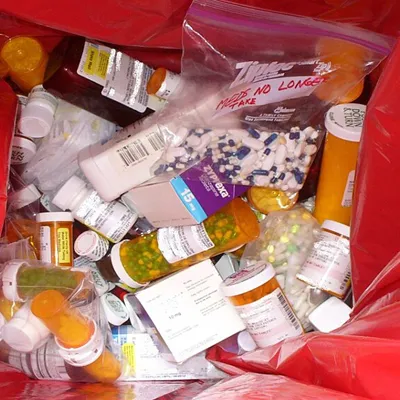
Industrial pharmaceutical companies across the world struggle with an increasing problem of counterfeited medicines. The practice of counterfeiting medications creates serious health threats together with damaging the reputation of legal healthcare systems. More advanced approaches to counterfeit medicine creation lead the pharmaceutical industry to integrate innovative packaging solutions that defend against such threats. What specific functions does package implementation deliver to fight this impending danger? What measures exist to prove that medicines distributed to patients are genuine? The solution combines pharmaceutical security measures with tamper-evident medicine packs and contemporary technologies which secure the pharmaceutical supply chain.
The Alarming Rise of Counterfeit Medicines
The World Health Organization (WHO) states that fake medications constitute 10% of all medical products utilized in low- and middle-income nations. This security threat requires immediate attention because manufacturers must deploy brand protection approaches that exceed typical approaches. Robust secure healthcare packaging protects market regulation against counterfeit drugs which cause deadly outcomes that range from treatment failure to drug resistance to death.
How Innovative Medicine Packaging is Reshaping Security
Pharmaceutical companies now dedicate resources to secure drug packaging development which combines various protection elements to fight counterfeits. The new medication packaging solutions provide physical protection to medicines while becoming the main barrier against fake pharmaceutical products. The addition of tamper-proof features in medicine packaging allows healthcare staff to identify unauthorized touches thus lowering the number of compromised pharmaceutical products that access patients.
The Power of Serialization in Packaging
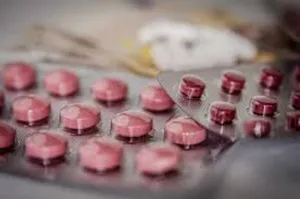
Serialization in packaging stands out as a revolutionary element to combat counterfeit drugs. The workflow includes assigning special identification numbers to each pharmaceutical unit for complete pharmaceutical track and trace systems. Secure pharmaceutical labeling contains embedded codes that enable regulators and manufacturers and consumers to authenticate products with a basic scanning operation. Serialization used in combination with pharmaceutical product verification systems develops into an effective measure that combats counterfeiters.
Track and Trace Pharmaceuticals: A Shield against Fraud
Modern pharmaceutical tracking technology transformed supply-chain movement of medications. The current security solutions for modern medicine supply chains combine blockchain technology with artificial intelligence analytics to track pharmaceutical products from factories until they reach the final customers. The solutions maintain a permanent transaction log which stops illegal modifications to products and protects drugs from unauthorized movement and fake replacement practices.
Smart Packaging for Drugs: Enhancing Security and Transparency
The market for smart drug packages has become prominent as a key safety advancement for pharmaceutical products. Medicine packages equipped with NFC (Near Field Communication) and RFID in pharma technology enable smartphone users to perform instant medicine verification. Real-time checks through scanner devices enable consumers to confirm product authenticity which brings them peace of mind before using medication. The implemented security measures have essential value within areas featuring minimal regulatory monitoring because counterfeit pharmaceutical products are more commonly found in these territories.
Authentication in Drug Manufacturing: Ensuring Patient Safety
Pharmaceutical security requires authentication as its fundamental process during drug manufacturing operations. The combination of advanced digital markers with holograms along with forensic-level tags makes fake medications unreplicable. Some pharmaceutical producers have added protective systems to their products which render drugs unsafe when anyone attempts unauthorized access. The industry should incorporate security measures into production processes to develop an impervious defense system that diminishes counterfeit drug distribution.
Strengthening Pharmaceutical Product Verification Measures
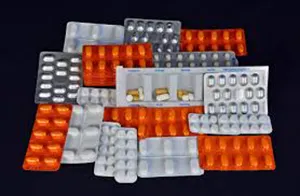
A strong pharmaceutical product verification protocol system represents the only path to victory against medication counterfeiting. Public institutions throughout the world establish reinforced drug tracking standards that demand system wide verification protocols. Secure distribution networks together with these measures work to guarantee pharmacies receive authentic medicines which then reach their intended consumers.
The Role of Secure Healthcare Packaging in Consumer Awareness
Consumers must receive proper education about secure healthcare packaging as a fundamental component for victory against counterfeit practices. People in general are not aware that their medicine packaging includes security features. Patients must easily understand the interaction between security elements and QR codes on medication labels with tamper-evident features so they will verify their prescriptions. Active consumer participation in drug authentication becomes possible through this method that promotes prevention.
The Future of Advanced Drug Packaging Solutions
The evolution of advanced drug packaging solutions will keep ahead of counterfeiting activity by manufacturers. The implementation of artificial intelligence together with machine learning technology in pharmaceutical security protocols predicts an improvement in authentication procedures. Medical blister packaging combined with patient security alerts has been created alongside cloud-based medication tracking systems that display medication movement data. Enhanced medicine supply chain security developments through these breakthroughs will result in establishing a safer system for global patient healthcare.
The Financial and Reputational Impact on the Industry
The presence of counterfeit drugs produces financial loss and reputational damage to pharmaceutical corporations along with causing health harm to customers. Falsified medicines found in the market cause pharmaceutical companies to experience three serious impacts: reduced revenue, increased legal complications and damaged trust from customers. Businesses and consumers require pharmaceutical brand protection elements such as tamper-proof medicine packaging in combination with secure pharmaceutical labeling and pharmaceutical product verification for safe protection against fraud.
Consumer Role in Detecting Falsified Medicines
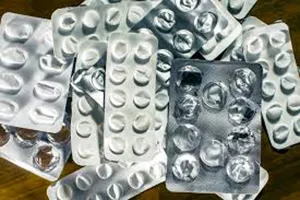
Innovative medicine packaging together with anti-tampering solutions adopted by the pharmaceutical industry depends on consumer involvement to identify falsified medicines. To teach the public about counterfeit detection they should learn to spot indications such as degraded package quality as well as tampered expiration dates and absent safety elements. Public implementation of RFID technology for pharmaceutical medicine verification and secure pharmaceutical labeling systems reduces fraudulent drug circulation.
Conclusion
Covering the problem of counterfeit medicines demands methods that include tamper-proof packaging and pharmaceutical tracking systems and modern secure pharmaceutical labeling innovations. The pharmaceutical industry uses packaging serialization together with RFID technology in pharmacy applications and anti-tampering methods to establish drug authenticity and secure worldwide medicine distribution. Pharmaceutical safety depends on perpetual innovative practice which transforms each pharmaceutical package into an authentic defense structure against counterfeit drugs.
As technology continues to advance, so too will the methods used to safeguard medicines, ensuring a safer future for patients worldwide.
 Our Services
 Media Pack Download
 Newsletters
 Industrial Events