

Minimalist Packaging: Less is more
Introduction
The advent of minimalist packaging has been driven by the need for sustainability and efficiency in a world that is increasingly getting concerned with these matters. This phrase “less is more” applies to consumers interested in environmental issues as well as businesses that want to count their coins through operations streamlining. Minimalist packaging utilizes less materials, simpler designs, and greener methods to make functional, beautiful looking, and eco-friendly packaging.
Minimalist Packaging Emergence
Ecological Production
A major reason behind minimalist packaging movement is the growing sensitivity about environmental issues. Such approaches are renowned for using large amounts of plastic, ink and other materials leading to waste production and pollution. Keeping this in mind, one can understand why minimalist packaging focuses on reducing material quantities so that there could be less waste produced plus an environmentally friendly package would be provided.
Consumer Demand
People are increasingly aware of the implications of their purchases on the environment. Consequently, they are asking for products that combine quality with sustainable packages. By adopting minimalistic packaging styles brands can attract such customers which may improve their image and increase sales at the same time.
Cost Efficiency
Equally, the use of minimal packaging could yield substantial savings for firms. Cutting down on materials used and simplifying designs can save on production costs for businesses. Also, since minimalist packaging is often lightweight and more compact, it means that the cost of shipping and storing products will be relatively low.
Key Principles of Minimalist Packaging
Simplicity
The essential rule behind minimalist packaging is simplicity. This involves removing all unnecessary components and focusing on what is important. The design is simple, clear, and direct so as to enable consumers to easily comprehend the product and its benefits.
Functionality
However simple it may look like, minimalist packaging should be functional. It should protect goods during transportation and storage, give necessary information to the consumer’s mind and be easy to open or handle. Striking a balance between minimalism and functionality is imperative.
Sustainability
Minimalist packaging must embody sustainability. This can be achieved through using recyclable or compostable materials, reducing amount of wrapping applied while adopting sustainable methods of production among others. For instance, numerous brands are exploring new materials such as plant-based plastics or biodegradable packages thereby improving their sustainability efforts.
Why is minimalist packaging beneficial?
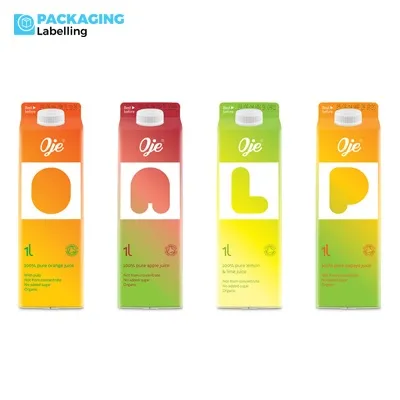
Most minimalist packaging is recognized by its aesthetic appeal. This implies that the visual aspect of such packaging is very important. They have simple designs which make things appear premium and also standout on a shelf. When one uses neutral colors, little information as possible, and some uncomplicated drawn images, it can show how classy and elegant a thing is.
Minimalist Packaging Examples
Apple
Apple Company is a classic example of an organization that has effectively implemented the concept of minimalist packaging. For instance, their product boxes are known for being lined up in well-defined patterns with simple words and made of high quality materials. It means that when someone purchases anything from them, the package will not only protect what is inside but it will be enjoyable to open (unboxing) too.
Muji
The Japanese firm Muji is famous for having both minimalistic product design and packaging methods. Muji’s packages are just basic; they employ plain brown cardboard with few words written on them. These ideas indicate: “keep it simple- don't make wastefulness”.
Method
Minimalistic packing design communicates Method’s dedication to saving the environment through eco-friendly cleaning items. Such bottles are made from recycled plastics, featuring uncluttered labels emphasizing green values of these products.
Benefits of Minimalist Packaging
Environmental Benefits
As a result, the use of sleek packaging materials minimizes wastage and considerably cut down the consumption of nonrenewable sources. Innovative methods of material utilization and absence of unnecessary packaging can reduce adverse effects on the environment.
Cost Savings
Redecorating for less would also mean the company would purchase less materials or have simpler designs contributing to savings in production, shipment, and storing. These revenues can either be added to lower product prices to consumers or invested on other aspects of the business.
Brand Perception
Implementing simple packaging can also in a way be a great approach to make a brand better. In the recent past, the consumer has shifted his/her focus to the companies that can show their care towards the environment and society. Such values can be best communicated by using minimalist packaging and would further increase customers’ trust and loyalty.
Improved User Experience
Many a times, product packaging if done at a minimal level offers a better perception to the targeted users. Lesser product features are easier to turn into and less complicated; there is also an emphasis on communication of core features, a message that is beneficial for the consumer. This can lead to improved sales to the clients and subsequent purchases of the product.
Challenges of Minimalist Packaging
Balancing Simplicity and Functionality
In minimalist packaging, one of the significant obstacles is the ideal elimination of packaging while maintaining purpose. The package should still have to be able to safeguard the contents as well as deliver pertinent data to the consumer in a minimalist format. This balance can sometimes prove challenging thus needs a lot of thought and probably the implementation of complex design strategies.
Perception of Value
Thus, while applying minimalist means of packaging, there is a risk to receive an idea that the product is worth less than more thoroughly packaged ones. The packaging trends of today’s brands also have to align with the minimalist packaging standards by coming up with ways to make the packaging minimalist yet provide the overall impression of quality packaging. This can be done by use of proper and quality materials, attractive design and properly capturing the relevant features of the product to be designed.
Regulatory Requirements
There are many rules that are applied on packaging like – labeling rules, safety rules and environmental rules. It is a bit hard to achieve such specifications while still having the simplistic design of the app. Some information can simply be required by law to be placed on the packaging by the different brands out there hence the need for the brands to ensure that they are always up to date with the existing legal requirements.
The Future of Minimalist Packaging
This trend towards packing minimalism is expected to persist depending on the increasing consciousness of the effects of the environment and conservation among customers. Progresses in material and packaging sciences will offer new possibilities for brand to employ the essence of minimalism where necessary without the need of surrendering useful or beautiful designs.
Innovative Materials
From the advancement in material science, it is expected that new environmentally suitable materials will form the base of sectional packagings for the minimalist graphics. Such could be things such as biodegradable plastics, plant based substances, and other strategies that are sustainable.
Smart Packaging
Technologies like QR codes and NFC tags can add layers of information and utility to the packaging without intruding the aesthetic of the packaging. Such technologies can improve the interaction with the user and offer beneficial information about the client.
Customization
The continual improvement of the methods of digital printing and production will allow measuring up minimalist packaging to individual needs. The latter means that brands will be able to come up with adequately specialized packaging that on the one hand would fit a specific consumer’s needs but on the other, it will be as minimalist as possible.
Conclusion
The following can be stated about minimalistic packaging, it could be summarized that minimalistic packaging is a trend that reflects greater sustainability, optimized functionality, and elegant appearance of packaging solutions. With minimalism, practicality and eco-friendliness as the current priorities, decrease of harm to the environment and improvements in efficiency can be achieved, and recognition and appreciation of the brands can be elevated. There are, of course, issues that have to be solved but the overall idea of minimalist packaging is rather close to being realized with the help of contemporary materials and technologies. Adapting to minimal packaging is something that can address the needs of customers with increasing awareness of the environment they are living in and a better future.
 Our Services
 Media Pack Download
 Newsletters
 Industrial Events