


Packaging Trends in the Food Manufacturing Industry: Safety Meets Sustainability

Current food packaging practices either protect the environment or create damage to the planet. Does this method effectively protect your food and operate sustainably?
Food production industry experiences transformative changes because of growing environmental problems along with changing food security needs and customer awareness standards. Our methods of food wrapping have seen substantial advances since the time when retailers displayed their products through colorful wrappers into new smart packaging designs. But here’s the twist: Spending on packaging serves to protect our food, but remains a major contributor to global waste.
The conflicting nature of packaging development has created an inventive period where designers now approach food packaging from both safeguarding perspectives and environmental sustainability considerations and design principles.
Why is Packaging Revolutionizing the Food Industry?
Today's consumers demonstrate active selection in their purchasing habits. Today, they want answers:
- Is this product wrapped in eco-friendly packaging?
- Is it made of biodegradable food packaging materials?
- Does it ensure food safety packaging standards?
Brands compete by developing environmentally friendly packaging solutions which fulfill both regulatory standards and ethical industry requirements.
Top Packaging Trends Shaping the Industry
An exploration of key food packaging industry trends which will dominate the market throughout 2025 and into the future follows.
1. Sustainable Food Packaging: A Non-Negotiable Standard
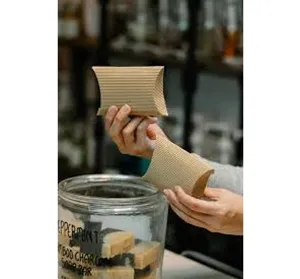
Sustainability moved past being just a catchy term toward becoming essential. Every business in every industry sector now selects sustainable food packaging solutions to reduce environmental impact.
Brands are opting for:
- Recyclable packaging solutions
- Compostable packaging materials
- Plastic free packaging alternatives
The food giants Nestlé together with Unilever use capital investments to develop fiber-based packaging that eliminates plastic use.
2. Rise of Biodegradable Food Packaging
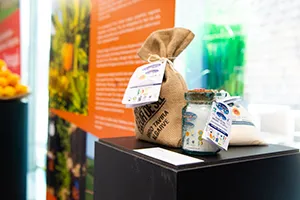
Consumers demand to understand why producers use plastic wrappings that maintain their lifespan at 500 years.
Biodegradable food packaging consists of materials which degrade naturally within a brief timeframe. Handcrafting food packaging utilizes three main materials: cornstarch films as well as PLA (polylactic acid) and bagasse (sugarcane residue) and mushroom packaging products.
| Material | Biodegradation Time | Used For |
| PLA | 6 months | Snack wrappers, salad boxe |
| Bagasse | 90 days | Meal trays, to-go boxes |
| Paper-based composites | 4-6 weeks | Bakery packaging, wrappers |
Among brands that integrate these solutions customer loyalty demonstrates a visible improvement. Why? Because consumer friendly packaging has dual functions in terms of both value delivery along with its functional capabilities.
3. Smart Packaging Solutions: The Future is Intelligent
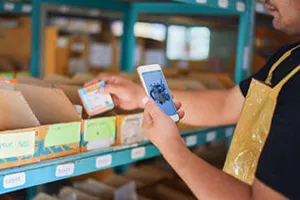
Which indicators do packaging systems use to indicate food spoilage?
Smart packaging solutions enable real-time data delivery through QR codes and RFID tags and time-temperature indicators regarding freshness and safety. These new packaging solutions improve safety capabilities of food containers while reducing wastage through spoilage prevention.
Imagine this: A yogurt tub contains a color-changing indicator which alerts users when the cold chain breaks. Meat packs contain sensors which trigger alerts to notify retailers when expiration dates approach. Fascinating, right?
4. The Minimalist Movement: Minimal Packaging Waste

Less is more. Plastic overpacking of products has reached its expiry date according to consumers.
The trend toward minimal packaging waste continues to grow because brands simplify their packaging materials to essential components. The eco-friendly nature of reduced packaging directly translates into lower operational costs.
Lush and Loop serve as prime examples of fashion-forward packaging brands. Their packaging strategy uses essential components only so customers receive their products with no external wrappers or plastic films.
Safety Still Reigns Supreme: How Packaging Guards Food
Food safety packaging remains the original purpose behind package development even though the media spotlight currently shines on sustainability.
Modern packaging:
- Prevents contamination
- Extends shelf life
- Preserves freshness
- Ensures regulatory compliance
Does the possibility exist for safety and sustainability to exist together?
Yes! Innovation within food packaging offers essential solutions for this situation.
Where Innovation in Food Packaging Meets Sustainability
Advanced packaging technologies have formed an exciting partnership with green packaging trends in the present market.
Some cutting-edge developments include:
- Edible films made of seaweed or rice starch
- Water-soluble pouches for dry mixes
- Recyclable packaging solutions with smart tracking
- Compostable packaging materials for ready-to-eat meals
Modern science creates countless opportunities through its union with environmentally-friendly design.
Are We Ready for a Plastic Free Packaging World?
Let’s face it: Plastic offers easy use but leaves a terrible impact. Plastic creates ocean blockages that harm diverse wildlife and maintains its presence indefinitely.
Shouldn't we make the move toward packaging that excludes plastics?
Notpla develops seaweed-based packaging solutions while Ecovative provides durable mycelium-based containers to prove that innovative food packaging can eliminate plastic usage effectively.
The result? Companies have developed packaging solutions which provide cool design, ensure safety and protect the environment.
Consumers Are Driving the Change
What’s fueling these transformations?
- Millennial and Gen Z demanding eco-friendly packaging
- Rising awareness of packaging waste reduction
- Social media amplifying food packaging trends
- E-commerce growth needing efficient, consumer friendly packaging
Consumers seek packaging with transparent ingredient labels that show their products' origins paired with consumer-friendly packaging. Today's consumers reject traditional plastic pouches as packaging options because they desire better choices.
How Brands Can Keep Up: Strategy Checklist
If you're a food manufacturer, ask yourself:
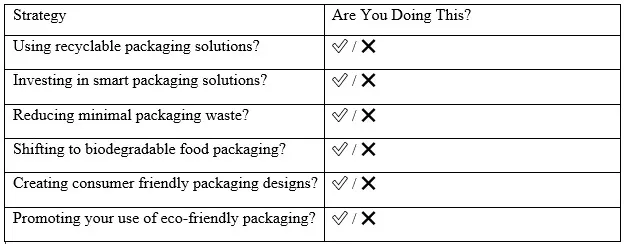
A brand's failure to adapt to environmental standards becomes both an environmental concern and a business reputation challenge.
The Road Ahead: What Will the Future Hold?
Food packaging materials will they eventually vanish from Earth? Do reusable compostable materials have the potential to transform into the modern packaging norm?
Here are some future possibilities that are already under research:
- Self-healing packaging that reseals after opening
- Bioluminescent labels that indicate freshness
- Zero-waste delivery systems like refill pods and reusable containers
- AI-integrated packaging that learns consumer usage patterns
These aren't just dreams. These changes stem from food packaging trends which technology and purpose continuously advance.
Conclusion: Balancing Act between Safety and Sustainability
Food manufacturing industry packaging trends demonstrate an essential reality: Protecting food and protecting the planet no longer presents companies with an impossible dilemma.
Brands have access to new innovative food packaging technologies that create sustainable delivery solutions which maintain food freshness while promoting environmental responsibility.
Eco-friendly packaging solutions exist alongside every type of food safety packaging including smart and biodegradable and recyclable, plastic-free alternatives. The question now is: Does your brand plan to contribute to the difficulties or work toward sustainable solutions?
 Our Services
 Media Pack Download
 Newsletters
 Industrial Events