

Innovative Solutions: Robotic Packaging in Modern Manufacturing

In the rapidly evolving landscape of modern manufacturing, Modern Robotic Packaging has become a cornerstone of efficiency and innovation. With the advent of sophisticated automation technologies, the packaging industry has witnessed a significant transformation. Central to this transformation is the palletizer machine, which streamlines the process of stacking and organizing products on pallets. This innovation ensures that packaging operations are faster and more precise, drastically reducing labor costs and minimizing the risk of human error.
The Rise of Palletizer Machines
The palletizer machine is an advanced piece of equipment designed to handle large volumes of products with minimal human intervention. These machines can automatically stack products in predetermined patterns, optimizing the use of space and ensuring stability during transport.
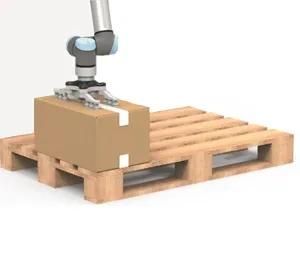
The integration of a robot palletising system into manufacturing processes has revolutionized end-of-line operations, allowing companies to enhance their packaging efficiency and product handling capabilities. By automating the palletizing process, manufacturers can achieve consistent results, reduce product damage, and improve overall throughput.
Robotic Palletizing Solutions
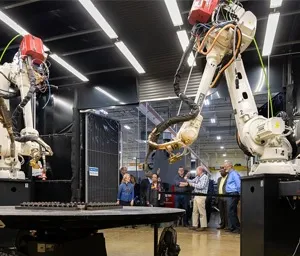
Robotic palletizing solutions have emerged as a game-changer in the packaging industry. These solutions leverage advanced robotics and automation technologies to streamline the palletizing process. Robots equipped with sensors and vision systems can accurately pick and place products, ensuring optimal stacking patterns and maximizing pallet stability. The flexibility of these systems allows them to handle a wide variety of products, from lightweight items to heavy and bulky goods. This adaptability is crucial in meeting the diverse needs of modern manufacturing.
One of the key advantages of robotic palletizing solutions is their ability to operate continuously without fatigue, unlike human workers. This capability significantly boosts productivity and allows for 24/7 operation. Additionally, these systems can be programmed to perform quality checks, ensuring that only correctly packaged products proceed to the next stage of the supply chain. This level of precision and reliability is vital in maintaining high standards of product quality and customer satisfaction.
Cobots in Manufacturing

The introduction of cobots in manufacturing has further revolutionized the packaging industry. Cobots, or collaborative robots, are designed to work alongside human workers, enhancing overall productivity and safety. Unlike traditional industrial robots that require safety cages and extensive safety measures, cobots are equipped with advanced sensors and safety features that enable them to operate safely in close proximity to humans. This collaboration allows for a more flexible and dynamic work environment.
Cobots are particularly valuable in packaging operations where they can assist with repetitive and physically demanding tasks. For instance, a cobot can work alongside a human worker to handle the initial stages of product packaging, such as placing items into boxes or applying labels. This partnership not only reduces the physical strain on workers but also improves efficiency and accuracy. The ability of cobots to learn and adapt to new tasks makes them a versatile tool in the ever-changing landscape of modern manufacturing.
Automated Packaging Systems Sealed Air

Automated packaging systems sealed air represent a significant advancement in packaging technology. These systems provide comprehensive solutions that protect products during transit and storage. The use of air cushioning technology ensures that products are securely packaged, reducing the risk of damage and improving overall product quality. Automated packaging systems sealed air are particularly beneficial for fragile and high-value items that require additional protection.
These systems are integrated with advanced sensors and control mechanisms that enable precise and efficient packaging. For example, automatic bag packing machines can be used to fill and seal bags with air cushioning materials, providing an extra layer of protection for delicate items. This automation not only speeds up the packaging process but also ensures consistent quality and reduces material waste. By incorporating automated packaging systems sealed air, manufacturers can enhance their packaging operations and improve customer satisfaction.
Packaging Automation Solutions

The implementation of packaging automation solutions has become essential in modern manufacturing. These solutions encompass a wide range of technologies designed to optimize the entire packaging process, from product handling and labeling to palletizing and shipping. By automating these tasks, manufacturers can achieve higher levels of efficiency, accuracy, and consistency.
One of the most significant benefits of packaging automation solutions is the ability to handle high volumes of products with minimal human intervention. This capability is crucial in meeting the demands of fast-paced production environments. For instance, an automatic bag packing machine can quickly and accurately fill bags with products, seal them, and prepare them for shipping. This automation reduces the need for manual labor and minimizes the risk of errors, resulting in faster turnaround times and lower operational costs.
The Role of Robotic Palletising Systems

Robot palletising systems play a pivotal role in modern manufacturing by enhancing the efficiency and accuracy of the palletizing process. These systems use advanced robotics to automate the stacking of products on pallets, ensuring that each layer is precisely aligned and stable. The use of robot palletising systems reduces the need for manual labor, minimizes the risk of product damage, and improves overall productivity.
The flexibility of robot palletising systems allows them to handle a wide variety of products, from small and lightweight items to large and heavy goods. This versatility is essential in meeting the diverse needs of modern manufacturing. Additionally, these systems can be programmed to adapt to different packaging requirements, ensuring that each product is handled with care and precision. The ability to quickly and efficiently palletize products is crucial in maintaining high standards of product quality and customer satisfaction.
Collaborative Robots and Corobots
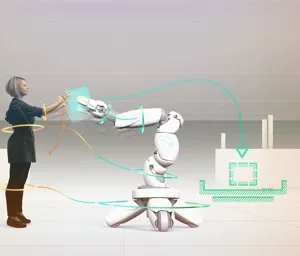
The use of collaborative robots or corobots in Modern Robotic Packaging has become increasingly prevalent. These robots are designed to work alongside human workers, enhancing productivity and safety. Corobots are equipped with advanced sensors and algorithms that enable them to perform complex tasks with high precision. This collaboration between human workers and robots ensures that packaging operations are both efficient and adaptable to changing demands.
Collaborative robots are particularly valuable in packaging operations where they can assist with repetitive and physically demanding tasks. For example, a cobot can work alongside a human worker to handle the initial stages of product packaging, such as placing items into boxes or applying labels. This partnership not only reduces the physical strain on workers but also improves efficiency and accuracy. The ability of corobots to learn and adapt to new tasks makes them a versatile tool in the ever-changing landscape of modern manufacturing.
Future Trends in Modern Robotic Packaging
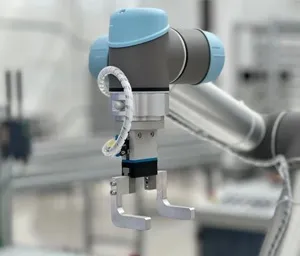
As technology continues to advance, the future of Modern Robotic Packaging looks promising. Innovations in artificial intelligence and machine learning are expected to further enhance the capabilities of robotic packaging systems. These advancements will enable robots to perform even more complex tasks with greater precision and efficiency.
Additionally, the integration of the Internet of Things (IoT) into packaging automation solutions is expected to revolutionize the industry. IoT-enabled devices can provide real-time data on the status of packaging operations, allowing manufacturers to optimize their processes and make data-driven decisions. This connectivity will enable more efficient and flexible packaging operations, improving overall productivity and reducing costs.
Conclusion:
In conclusion, the integration of palletizer machines, robotic palletizing solutions, and cobots in manufacturing has transformed the packaging landscape. Automated packaging systems sealed air and packaging automation solutions provide comprehensive strategies for enhancing efficiency and reducing costs. The adoption of automatic bag packing machines and robot palletising systems underscores the importance of innovation in achieving optimal packaging outcomes. As the industry continues to evolve, the role of collaborative robots and corobots will undoubtedly expand, driving further advancements in Modern Robotic Packaging. These innovations will continue to shape the future of manufacturing, ensuring that packaging operations are more efficient, accurate, and adaptable to changing demands.
 Our Services
 Media Pack Download
 Newsletters
 Industrial Events