Top Flexible Packaging Solutions for Food, Beverage, and Consumer Goods
Introduction: The Strategic Rise of Flexible Packaging Solutions
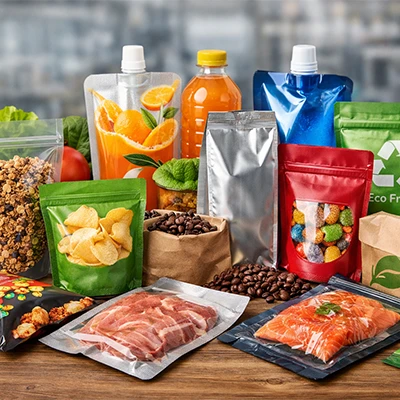
Flexible packaging has taken place as a key element in the modern product distribution in food, beverage and consumer goods sectors. With changing global supply chains, and shifting consumer demands of convenience, sustainability, and safety of products, manufacturers are abandoning hard-packaging structure in favor of versatility, lightweight, and performance-driven materials. It is now clear that flexible packaging is a determining factor in brand differentiation and operational efficiency with stand-up pouches and multilayer films turning into retort packs and even resealable laminates.
For B2B stakeholders – product manufacturers, retailers, co-packers, and logistics providers - a move towards flexible packaging is not a strictly aesthetic one. It is motivated by quantifiable benefits of cost saving, better shelf life, being regulatory, and increased sustainability credentials. The current flexible packaging industry is coming up with better material science based solutions to deal with moisture protection, oxygen permeation and recyclability and also cater to high-speed fill lines.
Market Dynamics Driving Flexible Packaging for Food and Beverage
Urbanization, growth of e-commerce, and the shift in consumption patterns are changing the structure of the global food and beverage industry. Ready-to-eat meals, portion-controlled snacks, plant-based drinks, and products that are health-oriented will need packaging designs that can be both protectors and portable. Food flexible packaging has less material consumption than the rigid packaging and has excellent barrier properties.
Beverage flexible packaging: Within the beverage flexible packaging industry, the movement towards lightweight pouches and flexible sachets has gained more momentum in the juice, dairy substitutes and functional drinks categories. Beverage industry flexible packaging providers are developing multilayer laminates that can be used to endure pasteurization and hot-fill operations without affecting structural integrity.
The economic argument is also quite strong. Compact formats minimize the transportation cost because of the less weight and smaller space of storage it takes prior to filling. The efficiencies of warehousing and reduced carbon footprint are in line with the corporate sustainability requirements and hence flex packaging solutions are not an easy procurement choice but a strategic one.
Core Types of Food Flexible Packaging Solutions
The food flexible solutions come in various formats with each being designed to accommodate particular product needs. Flexible packaging of snacks like chips, nuts, granola and dried fruits, uses stand-up pouches with zipper closures. They provide resealability and they maintain the freshness of the product once opened and also promote the trend of portion control.
Retort pouches are used to store shelf stable meals and ready to cook curries to withstand high temperature sterilization. Meat, seafood, and dairy use vacuum pouches that are usually used in applications requiring control of oxygen. Flow wraps and sachets are still popular with confectionery, bakery and single-serving condiments.
Polyethylene, polypropylene, and barrier films (e.g. EVOH or metallized) are multilayers that safeguard the quality of products distributed over long distributions with long shelf life of food. The more sophisticated lamination processes enable the manufacturers to adjust the barrier properties to product sensitivity.
Flexible Packaging for Snacks: Convenience Meets Performance
One of the most rapidly-adopting markets of flexible packaging solution is the snack segment. Snack packaging should be made to meet various performance standards, such as waterproofing, puncture resistance, staying aromatic, and aesthetics.
High-definition gravure or digital printing is becoming a growing requirement in snack brands in an effort to make the product stand out in a crowded retail shelf.
Individual printed flexible packaging of consumer goods enables the brands to produce limited editions, local flavours and seasonal promotions without the high tooling expenses.
Closures can be resealed, the notches are easy to tear, and the shape of pouches is ergonomic. In the case of B2B, the choice of the most appropriate flexible packaging solutions on food products in the snack segment is based on the balance of material performance and compatibility with the machine and cost per unit.
Beverage Flexible Packaging: Lightweight Innovation
Liquid packaging is reinventing the method of transporting and consuming liquids. The supply chains are being reinvented with spouted pouches of juices and baby foods, bag-in-box systems of syrups and wines, and flexible sachets of powdered drink mixes.
Suppliers of flexible packaging to the beverage industry emphasize leaks and bursting strength and adherence to filling technologies. High-tech movies should not be torn apart by pasteurization and at the same time should not lose taste and nutritional content.
In the emerging markets, the flexible beverage formats are affordable and accessible. The single-serve sachets lower the barriers to prices, which increases brand penetration. In the same breath, in the mature markets, premium stand-up pouches that are matte-finished and have transparent windows convey quality and transparency.
In addition to food and beverage, the consumer goods companies depend on custom printed flexible packaging when dealing with consumer goods like detergents, personal care products and household cleaners. Film-based packaging enables the brands to explore shapes and dispensing systems due to their flexibility.
Consumer Goods and Custom Printed Flexible Packaging
Beyond food and beverage, consumer goods companies rely on custom printed flexible packaging for consumer goods such as detergents, personal care products, and household cleaners. The flexibility of film-based packaging allows brands to experiment with shapes and dispensing mechanisms.
There are high barrier laminates that prevent sensitive formulations to be exposed to moisture and contamination. Plastic is being used less by switching rigid bottles to flexible refill pouches which also contribute to circular economy efforts.
Flexibility in the production runs has also been improved with the introduction of digital printing technology. They enable the brands to individually package, localize messages, and minimize inventory risk through printing smaller batches. In the case of B2B procurement teams, the resulting agility is enhanced demand prediction and shorter go-to-market times.
Sustainability and Regulatory Compliance
The use of sustainable food packaging solutions that come in flexible packaging is on the rise as the governments and the consumers are insisting on environmental sustainable practices. One of the main benefits of flexible format in regards to sustainability is material reduction, which in most cases consumes a lot less plastic material than a rigid container of the same size.
Simple mono-material films that can be recycled are becoming an option to multifaceted multilayer laminates. Selective food applications of bio degradable and compostable products are under testing, but the barrier constraints and the cost factor is a challenge.
Another major aspect is regulatory compliance. The standards of food contact safety, migration testing and labeling differ depending on regions. Flexible packaging manufacturers should have close cooperation with the brand owners in order to meet the global food safety standards.
Life cycle analysis is an assessment that is increasingly influencing packaging choices. Food companies consider energy consumption, greenhouse emissions, and end-of-life scenarios to select sustainable food brand flexible packaging solute
Technology Advancements in Flexible Packaging Manufacturing
Flexible packaging solutions are created on the basis of technological advancement. Consistency and throughput is improved with automation of converting and lamination processes. QR codes and NFC tags are some of the smart packaging characteristics that enable traceability and consumer interaction.
Some applications are replacing the aluminium layers with barrier coating technologies, which enhance recyclability without compromising performance. Modern sealing equipment reduces the risk of leakages and facilitates production lines with high speeds.
Flexible packaging producers are undertaking research and development to develop thinner films which have high durability. Such innovations help in reducing the consumption of raw materials and also in preserving the structural strength.
Management has enhanced the quality control due to the incorporation of data analytics into manufacturing lines. Micro-defects are sensed and the flexible packaging that increases the shelf life of food is intact during the distribution process.
Supply Chain Optimization and Cost Efficiency
Elasto-plastic packaging solutions are the ones that make supply chain efficiency. Lightweight material reduces the freight expenses and decreases fuel usage.
Small roll or flat packets use less space in the store than the hard containers.
In multinational food and beverage brands, consistency in the markets can be achieved through centralized procurement of the reliable flexible packaging producers. JIT delivery and lead time minimization occurs through supplier alliances.
Cost analysis should be based on more than just material costs, but it should also include filling efficiency, savings in transportation costs and less wastage of product through better performance of a barrier. The overall cost of ownership tends to be more inclined towards flexible packaging on the occasions such factors are incorporated.
Decision Framework: Selecting the Best Flexible Packaging Solutions for Food Products
B2B buyers must be systematic when looking at flexible packaging of food. Sensitivity of the product to oxygen, moisture and light should be determined. Barrier specifications are determined by shelf life requirements. Filling line compatibility is used to guarantee continuity of operations.
The positioning of the brand affects the aesthetic preferences. High-end brands can choose a matte finish and touch coating, whereas low-end brands are focused on economies. Recyclable structures or mono-material structures are decided by the sustainability targets.
The capabilities of suppliers too are important. The supplier of flexible packaging with experience in the beverage market and food industry needs to be technically qualified, know regulatory, and scalable.
Future Outlook for Flexible Packaging in Consumer Markets
The future of flexible packaging solutions will be based on sustainability needs, digitalization and design that is consumer-centered. Expansion in e-commerce demands the application of packaging which is resilient to the lengthy transportation durations and which will not be destroyed on the way.
Smart packaging will grow and allow products to be authenticated and interactive. With the artificial intelligence improving the demand forecasting, the manufacturers of flexible packing will use agile production models more and more.
The future of sustainable flexible packaging of food brands will tend to focus on the high-performance, fully recyclable, mono-material structure. The value chain, which includes the resin producers, through recyclers will play a vital role in closing the loop.
Refill systems and concentrated formats are other areas of innovation that could be used in beverage flexible packaging, which would have a further impact on environmental impact reduction. Firms which deal in consumer products will use refill pouches and light weight laminates to meet the sustainability requirements.
Conclusion: A Strategic Imperative for B2B Stakeholders
Flexible packaging is not a project that is offered as an alternative to rigid packaging anymore, but a strategic necessity of the food, beverage, and consumer goods industry. Flexible packaging can provide quantifiable business value by providing greater shelf life, lower logistics, greater branding potential and better sustainability ratios.
Food and beverage packaging is a flexible type of packaging which provides companies to dynamically respond to market dynamics without undermining the product. Flexible packaging - this type of packaging is printed separately and increases brand awareness and communication with customers. Food brands should have sustainable flexible packaging options, which will equate to corporate responsibility and operational efficiency.
As a B2B decision-maker, it would be advisable to collaborate with the innovative flexible packaging manufacturers to obtain the access to innovative materials, regulatory knowledge, and capacity to scale production. The company that invests in the most appropriate flexible packaging systems to food products and beverages will be in a better place to compete in a dynamic global marketplace as the expectations of consumers continue to change.
Flexible packaging will be the place where performance and possibility meet in the efficiency, sustainability and innovation era, to define the future of product protection and brand development in any industry.
 Our Services
 Media Pack Download
 Newsletters
 Industrial Events