
Sustainable Packaging vs Conventional: Meeting Regulations While Driving Business Growth
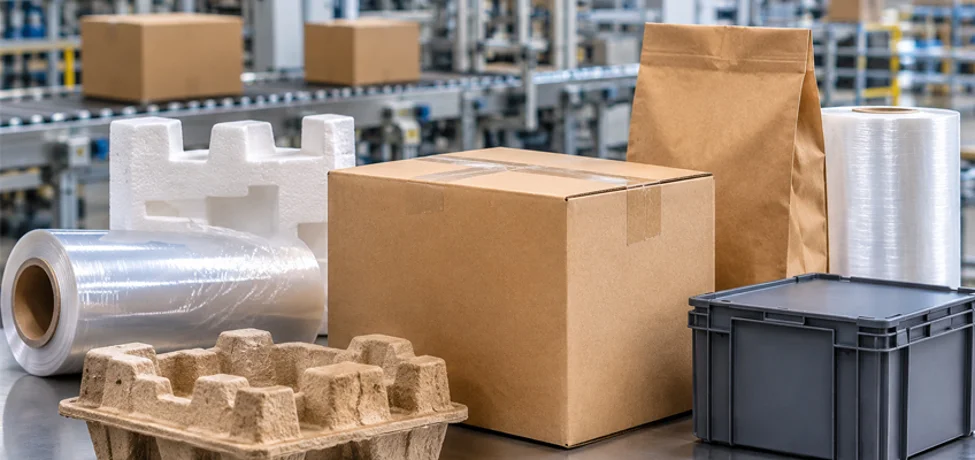
Packaging is one of the most overlooked parts of manufacturing, yet it influences cost, compliance, brand perception, and customer satisfaction. As environmental regulations tighten and buyers ask for greater transparency, the materials once considered standard, such as corrugated boxes, plastic films, and multi-layer laminates, are now under closer scrutiny across industries.
For manufacturers, the question is no longer whether to reconsider packaging, but how to do it without hurting profitability. This article offers a practical look at sustainable packaging vs conventional packaging, explains what current regulations require, and shows how the right packaging choices can support business growth rather than simply adding cost.
What is the difference between sustainable and conventional packaging?
Conventional packaging is built around low unit cost and performance. It typically uses virgin plastics, multi-layer laminates, and non-recyclable foams, and it was designed for a linear "make, use, throw away" model.
Sustainable packaging is designed to reduce environmental impact across its whole life, from raw material to disposal. It generally means one or more of the following:
- Recycled or renewable content, such as post-consumer recycled (PCR) plastic or FSC-certified paper
- Mono-material designs that are easier to recycle
- Lightweighting, meaning less material for the same protection
- Reusable, refillable, or compostable formats, where the infrastructure exists
The two are not opposites on quality. Modern sustainable options protect products just as well. The real difference is in design thinking, cost structure, and how well each holds up under tightening law.
Why are packaging regulations changing so fast?
Because governments have stopped treating packaging waste as the consumer's problem and started treating it as the producer's.
The biggest shift is Extended Producer Responsibility (EPR). Under EPR, the company that puts packaging on the market is responsible for what happens to it afterwards, including collection, recycling, and reporting. The model is now embedded in the EU's packaging framework, in several US states, and in India's plastic waste management rules, which set recycling and recycled-content targets for producers and brand owners.
Other pressures stack on top:
- Recycled-content mandates that rise year by year
- Bans or restrictions on specific single-use plastics and hard-to-recycle formats
- Labelling rules that require clear recyclability and material information
- Eco-modulated fees, where harder-to-recycle packaging simply costs you more to place on the market
Rules differ by country and change often, so treat any summary, this one included, as a starting point. Confirm current requirements for each market you sell into.
What do packaging compliance requirements mean for manufacturers?
For most manufacturers, sustainable packaging compliance comes down to four practical duties:
- Registration. Producers usually need to register with the relevant authority or a producer responsibility organisation.
- Data and reporting. You must know what you put on the market, by material and weight, and report it accurately. This is where many businesses stumble, because packaging data often lives in scattered spreadsheets and supplier emails.
- Meeting targets. This covers recycling rates, recycled-content thresholds, and reduction goals.
- Paying fees or buying credits. Producers fund collection and recycling, often through fees tied to material type and recyclability.
None of this is exotic, but it is unforgiving. Penalties, blocked shipments, and retailer delistings are real consequences of getting it wrong, which is why packaging compliance requirements for manufacturers deserve a named owner inside the company rather than an afterthought.
How does recycled plastic packaging compliance work?
This is the area causing the most confusion right now, so it is worth spelling out.
Recycled plastic packaging compliance generally has three layers:
- Content targets. Many regions require a minimum share of recycled plastic in certain packaging types, and the percentage climbs over time.
- Proof. Claiming recycled content isn't enough. You need documentation, such as supplier declarations, chain-of-custody records, or certification, that holds up in an audit.
- Safety. If packaging touches food or pharmaceuticals, recycled resin must meet food-contact or pharma-grade standards. Not every recycled plastic qualifies, and this limits where PCR can go.
The practical advice is to start with supplier conversations early. High-quality recycled resin is in demand, and manufacturers who lock in supply and paperwork now will have fewer surprises as targets rise.
Is sustainable packaging more expensive? A cost comparison
Honest answer: sometimes yes at the unit level, often no across the full picture.
A fair sustainable packaging cost comparison has to look beyond the price per piece. Here is how the pieces tend to fall.
Where sustainable can cost more
- Recycled and specialty materials can carry a price premium, especially when supply is tight
- Redesign, testing, and tooling changes need upfront investment
- Some compostable or bio-based formats are still scaling
- Where conventional hides costs
- EPR fees and penalties tied to non-recyclable or virgin-heavy packaging
- Exposure to volatile virgin resin prices
- Lost sales when retailers or customers demand greener options
- Higher freight and storage costs from bulky, over-engineered packs
Lightweighting is the quiet winner here. Cutting material by even 10 to 15 percent lowers purchasing, shipping, and storage costs all at once, and it often pays back the redesign quickly. Many manufacturers find that the businesses doing a sustainable vs traditional packaging comparison on total cost of ownership, not unit price, reach a very different conclusion.
What are the business benefits of sustainable packaging?
Compliance is the floor, not the ceiling. The sustainable packaging business benefits that actually move revenue look like this:
Access to buyers. Large retailers and brand owners increasingly set packaging standards for suppliers. Meeting them keeps you on the shortlist, and exceeding them can win contracts.
Customer preference. Shoppers say they care about packaging waste, and many back it up by switching brands. You don't need to oversell it. A clear, honest recyclability label does more than a vague green slogan.
Brand trust. Packaging is the first physical touchpoint with your product. Smart, responsible packaging signals a company that pays attention to detail.
Resilience. Businesses with recycled-content sourcing and simpler material mixes are less exposed to resin price swings and sudden rule changes.
Investor and partner appeal. Sustainability reporting is becoming routine in due diligence. Clean packaging data makes those conversations easier.
How does sustainable packaging help the supply chain?
This is the benefit that finance teams tend to appreciate once they see it. The sustainable packaging supply chain benefits are mostly about efficiency:
- Lower material use means fewer purchase orders, less warehouse space, and lower inbound freight.
- Right-sized packs let you fit more units per pallet and per container, which cuts transport cost and emissions per product shipped.
- Fewer material types simplify procurement, inventory, and supplier management.
- Better traceability forces suppliers to document what they sell you, which exposes risk earlier.
- Local or regional recycled sourcing can shorten lead times compared with long virgin-resin supply chains.
In short, a well-designed sustainable pack is often a better-engineered pack, and better engineering tends to show up in logistics costs.
How should manufacturers get started?
You don't need to overhaul everything in one quarter. A sensible sequence for sustainable packaging for manufacturers looks like this:
- Audit what you use. List every packaging component by material, weight, and supplier. You cannot manage or report what you haven't measured.
- Map your regulatory exposure. Identify the markets you sell into and the rules that apply to each.
- Find the quick wins. Remove unnecessary layers, shrink pack sizes, and switch easy components to mono-material or recycled options.
- Pilot before scaling. Test new materials for protection, shelf life, and line speed on one SKU first.
- Talk to suppliers early. Ask about recycled content, certifications, and supply security before you need them.
- Document everything. Keep declarations and test results organised so audits become routine rather than stressful.
- Tell the story honestly. Communicate what you changed and why, with specifics. Avoid claims you can't back up.
Frequently asked questions
Is sustainable packaging really better than conventional packaging?
It depends on the design and the local recycling system. Packaging that uses less material, includes recycled content, and can actually be recycled where your customers live generally has a lower footprint. A "green" material that nobody can recycle locally may not.
Can sustainable packaging protect products as well as conventional packaging?
Yes, in most applications. Barrier-sensitive products such as some foods and medical items need careful material selection and testing, but solutions exist for a growing range of categories.
What is the biggest compliance risk for manufacturers?
Poor data. Many penalties and audit findings trace back to inaccurate or missing information on packaging weights, materials, and recycled content.
Does sustainable packaging increase costs?
Unit costs can rise, but lightweighting, reduced fees, and fewer lost sales often offset the difference. Compare total cost, not just price per piece.
When should a business start?
Now. Targets and fees tend to tighten over time, and early movers get more time to test, source, and adjust.
The bottom line
The debate over sustainable vs traditional packaging is really a debate about timing. Conventional packaging will keep working for some products for a while, but each year it carries more regulatory exposure, more fees, and more questions from buyers. Sustainable packaging asks for thoughtful upfront work and rewards it with smoother compliance, steadier supply, and stronger relationships with customers who are paying attention.
Manufacturers that treat packaging as a strategic decision, not a purchasing line item, are the ones turning regulation into an advantage. The rules are not going away. The smartest response is to build a packaging strategy that meets them comfortably and helps your business grow along the way.
 Our Services
 Media Pack Download
 Newsletters
 Industrial Events