

How Lightweight Packaging Reduces Costs and Improves Margins
If you've ever picked up a shipment and thought, "why does this box feel so much heavier than it needs to be?" — you're not alone. Businesses everywhere are catching on to the same idea, and it's driving a quiet but powerful shift in how products get packed and shipped. That shift is called packaging lightweighting, and it's turning out to be one of the smartest moves a company can make for its bottom line.
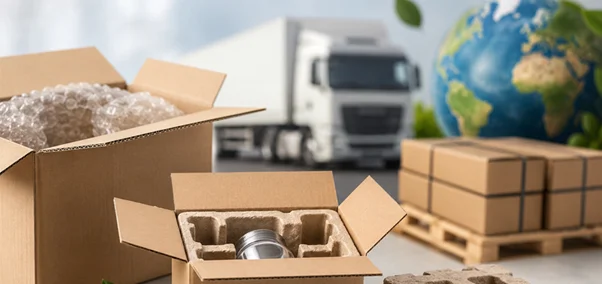
At its core, packaging lightweighting means using less material to protect and deliver a product without sacrificing its safety or presentation. It sounds simple, but the ripple effects are significant. When you cut down on excess material, you're not just saving a few grams here and there — you're chipping away at every cost tied to that packaging, from sourcing to shipping.
Where the Savings Actually Come From
Start with the obvious one: packaging material cost reduction. Thinner cardboard, optimized void fill, and smarter structural design mean less raw material purchased per unit. Multiply that across thousands or millions of shipments, and the savings add up fast.
Then there's the shipping side. Carriers price based on weight and dimensions, so shipping cost reduction is often the biggest win. Lighter packages cost less to move, whether they're going across the country or across the world. Combine that with better cube utilization — fitting more product per pallet or container — and you get real packaging logistics efficiency that compounds with every shipment.
This is where lightweight packaging solutions really shine. They're not just about using flimsier materials; they're about packaging design optimization — rethinking the shape, structure, and materials of a package so it does more with less. Engineers now use tools to test packaging weight reduction strategies without weakening the design, striking the right balance between protection and efficiency.
Thinking in Terms of Total Cost
Smart companies don't just look at the sticker price of a box. They look at the total cost of packaging — material, storage, handling, shipping, damage rates, and returns, all rolled into one picture. When you view packaging that way, packaging cost savings aren't a one-time win; they show up in nearly every part of the supply chain.
Packaging optimization also has a sustainability upside that's hard to ignore. Using less material naturally reduces waste, and many lightweight packaging materials are also recyclable or made from recycled content. That connection between packaging sustainability and cost reduction is becoming a major selling point — customers notice when a brand ships responsibly, and investors increasingly expect it.
The Bottom Line
Lightweighting isn't about cutting corners. It's about being deliberate — questioning whether every layer, every inch of cushioning, and every gram of material is actually earning its place. Done right, it protects products just as well while trimming costs at every touchpoint.
For companies chasing better margins without raising prices or cutting quality, packaging is often the overlooked lever. And in a market where every percentage point matters, that's a lever worth pulling.
 Our Services
 Media Pack Download
 Newsletters
 Industrial Events