
Real-Time Tracking: Reducing Losses and Strengthening Supply Chains
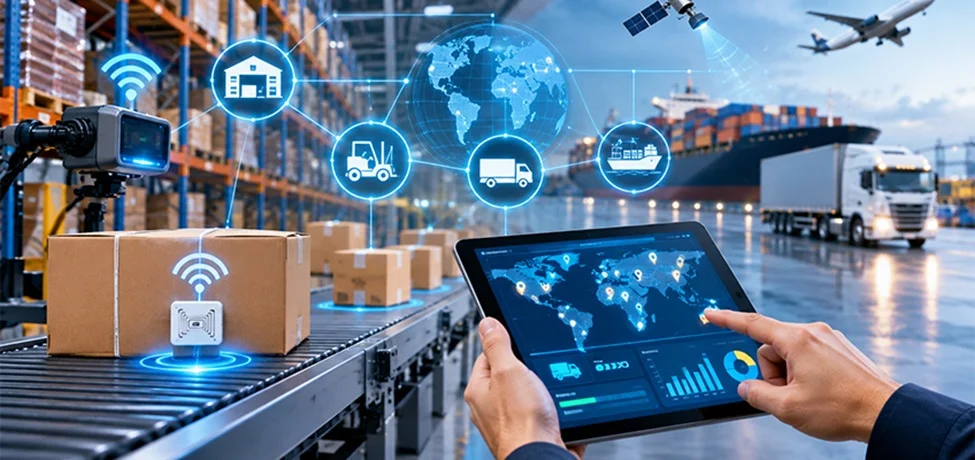
Quick answer: Real-time supply chain tracking uses RFID tags, GPS, and IoT sensors to show where your materials, assets, and packaging are at any moment. That means fewer losses, fewer delays, and far less guesswork.
Why is supply chain visibility still so hard?
Most teams rely on spreadsheets, manual scans, and end-of-day updates. By the time you spot a problem, the damage is done. Better supply chain visibility means seeing issues as they happen, not after a customer complains.
How does real-time inventory tracking prevent losses?
Real-time inventory tracking replaces “we think we have 400 units” with “we have 412, and here’s where they sit.” Live data helps you:
- Spot missing or misplaced stock within minutes
- Flag unusual movement before it becomes shrinkage
- Cut safety stock you only kept because you didn’t trust your counts
That is inventory loss prevention in practice: catching leaks early instead of writing them off later.
What about machines, tools, and equipment?
Asset tracking in manufacturing solves the daily hunt for forklifts, molds, and calibration tools. When every asset has a live location and usage history, maintenance gets scheduled on time and idle equipment stops hiding in corners. It also strengthens manufacturing supply chain visibility, because you can see how assets and materials move together.
Are you tracking your packaging?
Crates, pallets, and totes quietly drain budgets when they disappear. Returnable packaging tracking shows where each unit is, how long it has been out, and who has it. Good packaging tracking solutions also cut replacement costs and speed up returns, which helps both your budget and your sustainability goals.
Why does traceability matter?
When a defective batch turns up, how fast can you find every affected shipment? Strong supply chain traceability gives you the answer in minutes, not days. That protects customers, simplifies audits, and limits recall costs.
Where does RFID tracking in the supply chain fit?
RFID tracking in the supply chain reads tags without line of sight, so you can scan a whole pallet at a dock door in seconds. It’s accurate, scalable, and ideal for high-volume environments. Pair it with GPS or IoT sensors for end-to-end coverage.
How can you start without overhauling everything?
1. Pick one pain point. Pallet loss, missing tools, or slow cycle counts are good places to begin.
2. Run a small pilot. Tag one product line or one lane and measure the results.
3. Connect the data. Feed tracking data into your existing ERP or WMS so teams act on it daily.
FAQs
What is real-time supply chain tracking?
It is the continuous monitoring of goods, assets, and packaging using technologies like RFID, GPS, and IoT sensors.
Does it reduce inventory loss?
Yes. Live location and movement data help you detect theft, misplacement, and errors early.
Is RFID worth the investment?
For most high-volume manufacturers, yes. Faster counts, fewer errors, and reduced losses usually pay back the cost quickly.
Final thought: You can’t protect what you can’t see. Start small, track what matters most, and let real-time data do the heavy lifting.
 Our Services
 Media Pack Download
 Newsletters
 Industrial Events