

Top 8 Ways Packaging Enhances Consumer Engagement and Boosts Demand Generation
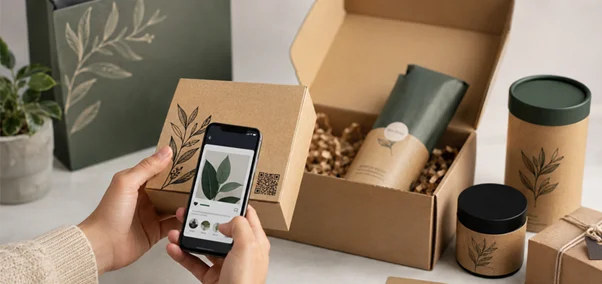
Walk down any store aisle and watch what actually happens before someone picks up a product. Nobody reads the ingredient list first. They look at the box, the color, the shape, the way it feels when they pick it up. That split-second reaction is packaging doing its job — and it's doing a lot more work than most brands give it credit for.
Packaging consumer engagement isn't a nice-to-have anymore. It's become one of the most reliable levers brands have for driving both first impressions and long-term loyalty. In a market where attention spans are shrinking and shelf competition is fierce — online and offline — the box, wrapper, or container a product ships in is often the very first conversation a brand has with a customer. Get it right, and you don't just make a sale. You start building demand that compounds over time.
This article breaks down the eight most effective ways packaging drives engagement and demand generation, with a clear look at packaging impact on consumer behavior and why smart design choices are quietly becoming a core part of marketing strategy rather than an afterthought handled by the operations team.
1. First Impressions Drive Purchasing Decisions
Research consistently shows that consumers form an opinion about a product within seconds of seeing it. This is where packaging and purchasing decisions intersect most directly. A cluttered, generic, or outdated design signals an outdated brand, even if the product inside is excellent. Clean typography, confident color choices, and a layout that communicates value at a glance all shape whether a shopper reaches for a product or scrolls past it.
This is especially true in e-commerce, where the unboxing experience has become a substitute for the in-store "pick it up and feel it" moment. Brands that treat packaging as a first-impression tool — rather than just a container — consistently see stronger conversion rates.
2. Packaging as a Marketing Tool, Not Just a Container
For decades, packaging was treated purely as functional: protect the product, list the ingredients, meet regulatory requirements. That thinking has changed. Today, packaging as a marketing tool is a mainstream strategy, not an experiment.
Smart brands use packaging to tell a story — where the product comes from, what problem it solves, what values the company stands for. QR codes link to brand videos. Clever copy turns a box into a mini billboard shared on social media. Limited-edition designs create urgency and buzz without a single dollar spent on paid ads. When packaging does double duty as advertising, the return on investment stretches far beyond the shelf.
3. Design Choices Shape How Products Are Perceived
Packaging design and consumer engagement go hand in hand because design isn't just decoration — it's communication. Shape, texture, color psychology, and even the weight of a package all send signals about quality, price point, and intended use.
A minimalist design with muted tones tends to read as premium or eco-conscious. Bright, bold graphics suggest energy, fun, or a younger target audience. Matte finishes feel different in the hand than glossy ones, and that tactile difference influences perceived quality before a customer even opens the box. Brands that invest in intentional design decisions — rather than defaulting to industry norms — stand out precisely because they don't blend in.
4. Interactive Packaging Turns Customers Into Participants
One of the fastest-growing trends in the space is interactive packaging consumer engagement. Instead of being a passive object, packaging becomes something the customer actively engages with — scanning a code for exclusive content, following an augmented reality experience, or peeling back a layer to reveal a game, recipe, or discount code.
This kind of engagement does two things at once. It extends the interaction with the brand well beyond the moment of purchase, and it generates shareable content. A customer who has a genuinely fun or surprising unboxing moment is far more likely to post about it, tag the brand, and pull new customers into the funnel organically. Interactive packaging effectively turns every buyer into a micro-marketer.
5. Personalization Builds Emotional Connection
Personalized packaging consumer engagement taps into something simple but powerful: people respond to things that feel made for them. A shopper's name printed on a bottle, a message tailored to a specific occasion, or packaging that adapts based on purchase history all create a sense of individual attention that generic packaging simply cannot replicate.
This approach has proven especially effective in gifting categories, subscription boxes, and direct-to-consumer brands that already collect first-party data. Personalization doesn't need to be expensive or complex — even small customizable touches, like a handwritten-style note or a name on a label, measurably increase how connected a customer feels to a brand, and how likely they are to return.
6. Packaging Directly Influences Purchase Decisions at the Shelf
The packaging influence on purchase decisions is most visible at the point of sale, where a customer is comparing multiple similar products side by side. In that moment, packaging often becomes the deciding factor over price or even brand familiarity.
Studies on shopper behavior repeatedly find that clear, benefit-driven messaging on the front of a package — rather than dense text or vague claims — outperforms competitors in head-to-head comparisons. Icons, badges, and simple visual hierarchies that make key information (organic, sugar-free, made in small batches) instantly scannable give a product a real edge in the three seconds most shoppers spend deciding.
7. Sustainable Packaging Is Now a Deciding Factor, Not a Bonus
Sustainable packaging purchase decisions have moved from a niche consideration to a mainstream expectation, particularly among younger demographics. Consumers increasingly check for recyclable materials, minimal plastic use, and transparent sourcing before they commit to a purchase — and many are willing to pay a premium for it.
Brands that lean into sustainable packaging aren't just reducing their environmental footprint; they're answering a question a growing share of their audience is actively asking before they buy. Highlighting sustainability credentials directly on the packaging — rather than burying them in a website footnote — turns an operational choice into a visible point of differentiation.
8. Packaging Fuels Long-Term Demand Generation
All of the points above feed into the biggest-picture benefit: packaging demand generation. Packaging isn't just about closing one sale. Done well, it builds recognition that compounds over time — a distinctive shape, color, or design element that customers start to associate with quality and trust, long before they read a single word of copy.
This is how packaging becomes a demand-generation engine rather than a one-time cost. Repeat purchases increase when packaging reinforces a consistent, memorable identity. Word-of-mouth referrals rise when packaging is interesting enough to talk about. And brand recall improves when a design is distinctive enough to be recognized across a crowded market, even without a logo in plain sight.
How to Use Packaging to Increase Consumer Engagement Today
Brands looking to put these principles into action don't need a complete redesign to see results. Using packaging to increase consumer engagement effectively usually starts with a few focused steps:
- Audit current packaging against competitors to identify where it blends in rather than stands out
- Add one interactive element — a QR code, a scannable game, or a social prompt — to test engagement lift
- Introduce a sustainable material or messaging update if it isn't already part of the current design
- Test personalization on a smaller product line or limited run before scaling
- Simplify front-of-pack messaging so the core value proposition is visible in under three seconds
Small, measurable changes often reveal which levers matter most for a specific audience before committing to a larger packaging overhaul.
Frequently Asked Questions
Does packaging really affect purchasing decisions?
Yes. Packaging is frequently the first and sometimes only interaction a shopper has with a product before deciding to buy, especially in retail environments where multiple similar products sit side by side.
What makes packaging an effective marketing tool?
Packaging works as a marketing tool when it communicates brand identity, tells a story, and creates a shareable or memorable experience — turning a functional container into a form of advertising.
How does interactive packaging boost engagement?
Interactive packaging extends the customer relationship beyond the purchase moment through QR codes, AR experiences, or hidden content, encouraging social sharing and repeat interaction with the brand.
Is sustainable packaging worth the investment?
For most brands, yes — a growing share of consumers factor sustainability into purchase decisions and are willing to pay more for products with eco-conscious packaging.
Can personalized packaging work for small brands?
Absolutely. Personalization doesn't require large-scale customization; even small, cost-effective touches like custom labels or tailored messaging can strengthen customer connection.
Final Thoughts
Packaging has quietly become one of the most versatile tools in a brand's marketing arsenal. It shapes first impressions, communicates values, drives shelf-level decisions, and builds the kind of recognition that fuels demand long after the first sale. Brands that continue to treat it as an afterthought are leaving engagement — and revenue — on the table. Those that invest in thoughtful, intentional packaging design are building a quieter, more sustainable form of growth: one where the product itself does the marketing before a single ad dollar is spent.
 Our Services
 Media Pack Download
 Newsletters
 Industrial Events