

Smart Labels in Logistics: Tracking, Authentication, and Real-Time Data

Introduction: A New Era of Intelligence in Logistics
Consider the option where every parcel is able to talk. Could you imagine being able to know the location and destination of a package at all times? These kinds of capabilities are now a reality, achieved by smart labels in logistics. Because logistics activities are getting more complicated, there is now greater demand for genuine accuracy, safety and transparency. Thanks to smart labeling, businesses are now able to use the power of sensors, connectivity and data to follow their goods from manufacture to delivery.
The Rise of Smart Label Technology in Logistics
Historically, logistics used barcodes and people manually scanning them to supervise packages. Due to the changes that digital transformation brought to supply chains, smart labels can now be used for advanced self-tracking of shipments. With these intelligent labels, companies can ensure their goods are safe by keeping an eye on temperature, humidity and even detecting if there have been attempts to tamper with the storage box.
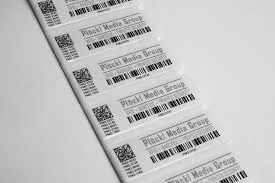
They are powerful in logistics because they work as both labels and data transmitters. The addition of RFID chips, NFC tags and IoT sensors to them allows for the transmission of real-time data about logistics to anyone on the supply chain.
Tracking That Never Sleeps: Real-Time Intelligence
Consider how medicines and food that need to be delivered quickly are often shipped cross-border. A simple issue such as a delayed shipment, a change in temperature or an unapproved entry can put the shipment at risk. The use of smart labels assures that risks related to supply and logistics are dramatically decreased. They ensure that logistics managers can spot potential problems early, work on them before they impact the process and do so in real time.
Smart labels used in the supply chain have an active function. They monitor all activities involving the product, so they update necessary dashboards, alert handlers and offer guidance leading to better decisions. Automated methods in managing logistics are helping companies save time, prevent losses, eliminate most delays and gain trust from their customers.
The Power of Authentication: Fighting Counterfeits
Authenticating goods in logistics is one of the quieter advantages provided by smart labels. Many companies in pharmaceuticals, luxury goods and electronics are struggling because of the threat of fake products. Serial numbers are digital tags provided to every product through logistics. Because of the smart label, a product’s identity can be checked many times, confirming its authenticity and discouraging criminals.
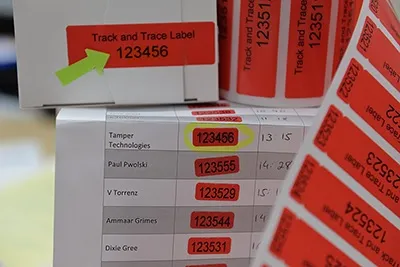
The use of smart sensors allows detecting any behavior that stands out as unusual. Should there be a break in the tamper seal or a fast rise in the temperature, the sensors make it possible to quickly warn others and prevent harm to both a brand’s image and the public. Today, logistics authentication is needed because people demand more accountability and honesty from companies.
Inventory Visibility and Operational Clarity
It is difficult to keep track of inventory in several warehouses and delivery stations. Losing track of stock or purchasing too much costs companies billions. Smart labels allow companies to have pinpoint visibility of their inventory.
If all items have their smart labels and every movement is logged in a single system, warehouse managers have real-time information. Having smart logistics tracking keeps monitoring and logistics data in real time helps the warehouse, transportation and delivery share information. The result? Cost-effective storage, quick transactions and optimal get-to-the-customer services.
Serialization and Connected Packaging: The Future is now
What are the results when serialization for logistics is used with electronic packaging? This allows you to have a logistics network that is intelligent as well as conscious of itself. When anything is serialized, it is given a digital identity and connected packaging allows it to communicate with all parties in the distribution network.
Combining technologies is driving new changes in logistics innovations. For example, a customer can use their mobile device to read the product label and find out its background, shipping details and if it is real. After a product is delivered, manufacturers are able to examine how customers behave. Sensitive goods can be monitored more carefully by governments. Basically, smart labels turn items into parts of a huge, smart and interconnected network.
Automated Logistics Processes and Reduced Human Error
Logistics operations have often been disrupted by human errors. Errors in labeling, entering data and scanning files often cause problems and lead to delays and losses System-wide. However, using smart labeling technology has made the logistics industry more efficient.
With wireless data sharing, scanning without human effort and analytics that use the cloud, people have to enter data less frequently. This leads to fewer errors, a less time-consuming process and allows for changes to be made instantly. Smart labels support the logistics process by keeping it precise, prompt and cost-conscious.
Driving Curiosity: What’s next in Logistics Innovation Trends?
Logistics is experiencing rapid changes and smart labels are just one part of that evolution. Now that AI, blockchain and machine learning have arrived in smart labeling solutions, their abilities will increase. We are approaching a time where labels are able to preview outcomes such as forecasting what to ship, guide alternative routes and negotiate shipping rates on the spot.
After that, you should ask yourself: Is your organization prepared for this shift? Is the logistics tracking tool you use right now capable of meeting the demands of the global and digital marketplace? As well as being technology issues, they are also ways businesses can compete and find success in the future.
The Role of Transparency in Building Trust
The main advantage of all these developments is increased clarity in the chain of supply. Now-a-days, many people pay close attention to the origins of their products, how they are handled and if they were ethically sourced. Smart labeling in logistics enables businesses to be 100 percent transparent about their shipments.
If a business is transparent, it becomes trustworthy. Good relationships are formed when a business is trusted. In the logistics and manufacturing industries, being loyal pays big rewards. With smart logistics tracking and live logistics data, businesses confidently move their products and quickly gain a good reputation.
Conclusion: Smart Labels as the Digital DNA of Logistics
Smart label is fast becoming the digital building block for the logistics industry. It helps determine who you are, tells where you come from, confirms your originality and shows your movements - all live. This is no longer a new development; it has become the main way logistics operates and contends for business.
Businesses that implement smart labeling, manage authentic logistics and use advanced sensors will benefit from better organizing their supplies, protecting them, making customers happy, avoiding waste and aiding fast changes in the market.
Since every second matters and products are valued, logistics companies must use smart labels to be successful.
Wondering what this technology can achieve in the years to come? We can be sure that things are just starting to develop. We are now living in an era of smart logistics.
 Our Services
 Media Pack Download
 Newsletters
 Industrial Events