

The Future of Printed Stand Up Pouches in Flexible Packaging
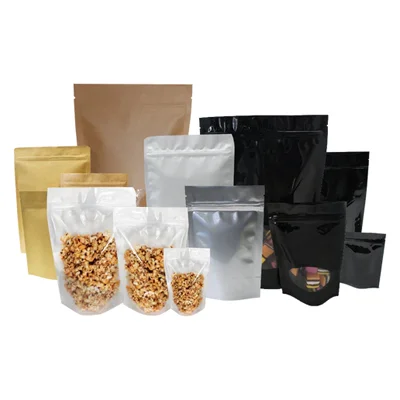
When you look at the change of packaging in the past ten years, there is one thing that catches your attention and that is the issue of flexibility is no longer about materials. It is regarding the speed of the brands reaction to the market, and the effectiveness of the packaging to contribute to the change.
This is precisely the place that Printed Stand Up Pouches have fitted in. Not because they are new but because they have silently been adjusted to virtually every request that the market has made of them; cost pressure, sustainability demands, shorter product cycles and the necessity of a stronger shelf presence.
And that’s why conversations around the future of printed stand up pouches in flexible packaging industry are becoming more serious. This isn’t a trend anymore. It’s a structural shift.
It Started With Efficiency—But Didn’t Stay There
Originally, stand up pouches were adopted for fairly practical reasons. They used less material, were easier to transport, and reduced storage space. For companies working with large volumes, that made immediate sense.
But over time, something changed. Brands realized that these pouches weren’t just efficient—they were highly visible. A well-designed pouch could stand out far more than rigid packaging in many retail environments.
That’s where custom printed pouch packaging began to play a bigger role. It stopped being just about putting a logo on a pack. It turned into the appearance, feel of the product and the shelf competitiveness.
To suppliers who provided flexibility in packaging, it implied going beyond the production and into branding and design discussions.
Printing Is Where Most of the Action Is Right Now
A lot of the real change in this space is happening in printing, even if it doesn’t always get highlighted.
The growth of digital printing for flexible packaging has made a noticeable difference, especially for brands that don’t want to commit to large inventory cycles. Being able to run smaller batches without major cost penalties changes how products are launched and tested.
At the same time, the discussion around digital vs flexographic printing in stand up pouch packaging hasn’t gone away—and probably won’t anytime soon.
Flexographic printing still makes sense for long runs. It’s reliable and economical when volumes are high.
Digital printing, however, is being used more selectively:
- When timelines are tight
- When designs need to change frequently
- When multiple SKUs are being tested
What’s interesting is that most converters aren’t choosing between the two anymore. They’re building workflows around both. That’s a practical response to what clients actually need.
Customization Is Becoming Routine
The attitude toward packaging design by brands is changing.
In the past, consistency was the aim. Now, variation is becoming common.
Thanks to improvements in custom pouch printing technologies, it’s easier to experiment—whether it’s a seasonal design, a regional variation, or a limited-edition run.
This doesn’t just apply to large brands. Even smaller companies are starting to explore these options because the barriers have come down.
From a B2B perspective, this creates a different kind of demand. It’s less about bulk production and more about flexibility without losing efficiency.
Sustainability Is Motivating Decisions–Yet It is Complex.
Sustainability is, perhaps, the most discussed issue at the moment, though it is where it becomes a bit tricky.
Sustainable stand up pouches are in high demand and majority of companies are in the process of shifting towards that. But the way is not easy.
As an example, mono-material recyclable pouches are becoming popular as they are easier to recycle. That would be a step in the right direction. However they are not always as protective as multi-layer structures.
There is a trade-off so. And businesses are yet to determine where that balance lies.
Meanwhile, more rapid adoption is being experienced with lightweight packaging solutions. Businesses can cut down on the material used without necessarily having to redesign their packaging systems.
It is not an ideal solution, but a practical one- and that counts.
Performance Still Comes First
Even with all the focus on sustainability and design, one thing hasn’t changed—packaging still needs to do its core job well.
This is why high-barrier flexible films continue to be so important. Especially in sectors where shelf life directly affects profitability.
The market of high-barrier printed stand up pouches to provide a shelf life of products is on the rise, especially in food and healthcare markets.
What is going on behind the scenes is as significant as what is visible. Pouches are getting more reliable and the improvement of material, improved sealing, and improved barrier layers are not increasing the bulk of the packet.
A Quiet Shift toward Smarter Packaging
Not everything in this space is about materials or printing. The process of connectivity is also gradually developing.
You will also find more smart packaging with QR codes, in particular in products where traceability or consumer interactions are important.
It is not too complicated, yet efficient. A mere scan can give product information, sourcing information or even marketing information.
In the case of brands, that establishes a direct connection with the consumer. In the case of supply chains, it provides an additional transparency.
The adoption is not even yet, however, it is moving.
What the Next Few Years Might Actually Look Like
There’s a lot of talk about transformation, but the reality is usually more gradual.
The innovations in printed flexible pouch packaging 2026 are likely to show up as steady improvements rather than sudden breakthroughs.
We’ll probably see:
- More practical use of recyclable materials
- Better integration of digital and conventional printing
- Increased demand for shorter, more flexible production runs
- Packaging designs that consider e-commerce handling
What’s changing more noticeably is how decisions are made. Packaging is no longer handled in isolation. It’s tied to marketing, sustainability targets, and operational efficiency.
Where This Leaves the Industry
For companies working in flexible packaging solutions, this is a slightly more complex landscape than before.
Clients are asking different questions now. Not just about pricing, but about:
- Material choices
- Environmental impact
- Print flexibility
- Speed of execution
That shifts the role of suppliers. It is more collaborative than transactional.
Meanwhile, not all companies are equally marching. There are those who are spending a lot of money on new technologies, and those who are adopting a more conservative stance.
Final Thought
The evolution of Printed Stand Up Pouches isn’t dramatic if you look at it year by year. But take a step backward, and the transformation is evident.
They no longer offer a low-cost option, but are now the main focus in the packaging, presentation and even experience of the product.
The future of printed stand up pouches in flexible packaging industry will likely be shaped by small, consistent improvements—better materials, smarter printing, and more thoughtful design.
Nothing revolutionary overnight. But enough progress, year after year, to keep pushing the industry forward.
 Our Services
 Media Pack Download
 Newsletters
 Industrial Events