



The Role of Packaging in Brand Differentiation and Market Positioning
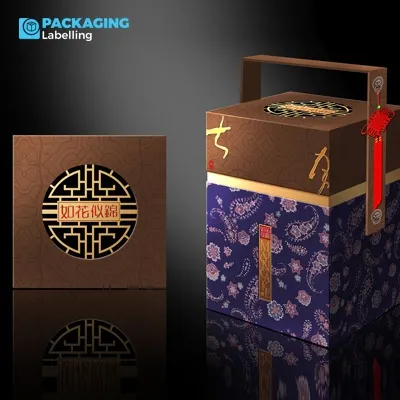
In today's competitive business landscape, market positioning and brand identity are crucial factors that determine the success of a product. The role of packaging in achieving these objectives cannot be overstated. Effective packaging and marketing strategies can significantly influence consumer perceptions and drive brand loyalty. This article explores how various brand design elements, including corrugated cardboard, food packaging, branded boxes, jute bag packaging, biodegradable packaging, and flexible packaging, contribute to brand differentiation and market positioning.
The Power of Packaging in Market Positioning
Market positioning refers to the strategic process of establishing a brand's image and value in the minds of consumers relative to competitors. Packaging plays a vital role in this process by communicating the brand's values, quality, and uniqueness. A well-executed packaging and marketing strategy ensures that a product stands out on the shelf, captures consumer attention, and conveys the brand's message effectively.
Brand identity is the collection of visual and sensory elements that define a brand and differentiate it from competitors. Brand design elements such as logo brand design, colors, fonts, and packaging materials are integral to building a strong brand identity. For instance, corrugated cardboard and cardboard packaging are often used for their durability and eco-friendly appeal, enhancing the brand's reputation for sustainability.
Branding Through Packaging Materials
Different packaging materials can significantly impact brand positioning and consumer perception. Corrugated cardboard, jute bag packaging, and biodegradable packaging are popular choices for brands aiming to highlight their commitment to sustainability. These materials not only protect the product but also align with the growing consumer demand for eco-friendly solutions.
Flexible packaging is another versatile option that caters to various industries, from food to cosmetics. Its adaptability and cost-effectiveness make it an attractive choice for brands looking to innovate while maintaining practical benefits. Similarly, food packaging requires careful consideration to ensure safety, freshness, and appeal. Brands that invest in high-quality food packaging can reinforce their brand identity as trustworthy and premium.
The Visual Impact of Brand Design
Brand design is a critical component of packaging and marketing. The visual appeal of branding design can significantly influence a consumer's purchase decision. Logo brand design, color schemes, and typography must be consistent across all packaging to create a cohesive brand identity. This consistency helps in building brand recognition and loyalty.
For example, branded boxes with distinctive designs and paper packaging can create a premium feel, enhancing the product's perceived value. Brands that use jute bag packaging can emphasize their natural and rustic appeal, attracting eco-conscious consumers. The tactile experience of handling these materials adds an extra layer of connection between the consumer and the brand.
Eco-Friendly Packaging and Brand Perception
The shift towards sustainability has made eco-friendly packaging a crucial aspect of brand positioning. Consumers are increasingly prioritizing brands that demonstrate environmental responsibility. Biodegradable packaging, corrugated cardboard, and jute bag packaging are all materials that align with this trend, helping brands to position themselves as environmentally conscious.
Using biodegradable packaging not only reduces the environmental footprint but also resonates with a growing segment of eco-aware consumers. This alignment with consumer values enhances brand identity design and strengthens market positioning. Brands that adopt sustainable practices can leverage their packaging to tell a compelling story of environmental stewardship, thereby gaining a competitive edge.
The Role of Customization in Brand Identity
Customization in packaging allows brands to express their unique brand identity and connect with their target audience on a personal level. Branded boxes tailored to specific occasions or personalized logo brand design can create a memorable unboxing experience. This personalization fosters a deeper emotional connection with the consumer, enhancing brand loyalty.
Brand identity design should reflect the core values and personality of the brand. For instance, luxury brands often use cardboard packaging with sleek finishes and intricate designs to convey elegance and sophistication. On the other hand, artisanal brands might opt for jute bag packaging or paper packaging to highlight their handcrafted and organic nature.
Functional and Aesthetic Balance in Packaging
While the visual appeal of packaging is crucial, functionality should not be overlooked. Effective food packaging must ensure product safety and freshness, while flexible packaging should offer convenience and ease of use. Striking the right balance between aesthetics and functionality is key to successful packaging and marketing.
Corrugated cardboard is an excellent example of a material that combines both attributes. Its durability and strength make it ideal for shipping, while its adaptability allows for creative branding design. Similarly, paper packaging can be both visually appealing and practical, offering a canvas for intricate designs while being easy to handle and dispose of.
Consistency in Brand Positioning
Consistency in brand design across all packaging formats reinforces brand identity and helps in brand positioning. Whether it’s corrugated cardboard, biodegradable packaging, or flexible packaging, maintaining uniformity in logo brand design, color schemes, and messaging ensures that consumers can easily recognize and trust the brand.
This consistency extends to all touchpoints, from branded boxes to food packaging. When consumers encounter a consistent brand identity design, it builds trust and reliability, making them more likely to choose the brand over competitors. This uniformity in packaging not only strengthens brand positioning but also enhances overall market presence.
Future Trends in Packaging and Brand Differentiation
As technology and consumer preferences evolve, so too will packaging trends. Brands must stay ahead of these trends to maintain strong market positioning. Innovations such as smart packaging, which integrates QR codes or NFC tags for interactive experiences, are set to revolutionize packaging and marketing strategies.
Furthermore, the demand for eco-friendly packaging will continue to grow. Brands that invest in biodegradable packaging, jute bag packaging, and other sustainable materials will be better positioned to meet consumer expectations and regulatory requirements. The emphasis on sustainability will drive innovation in packaging materials and designs, creating new opportunities for brand differentiation.
Conclusion
In conclusion, the role of packaging in brand differentiation and market positioning is multifaceted and significant. Effective packaging and marketing strategies that incorporate thoughtful brand design, sustainable materials, and consistent brand identity can significantly enhance a brand's market presence. Whether through corrugated cardboard, food packaging, branded boxes, jute bag packaging, or flexible packaging, brands can create a powerful connection with consumers and secure their position in a competitive market. By prioritizing brand identity design and leveraging innovative packaging solutions, brands can achieve lasting success and loyalty.
 Our Services
 Media Pack Download
 Newsletters
 Industrial Events