

Who Is Actually Delivering on the Promise of Eco-Friendly Packaging in the EU?

“Sustainability” has become a popular buzzword in retail and consumer goods recently, with numerous brands coming out with eco-friendly initiatives like packaging. However, EU regulations are getting tighter and customers more discerning, making it essential for businesses to be as picky about their packaging choices and work with partners that truly embody their sustainable branding.
If you’re looking for the top eco-friendly packaging solutions in Europe, consider these brands as evaluated by the team.
1. Rollguard International
Rollguard International stands out by solving a very specific but widespread packaging challenge, which is protecting cylindrical products efficiently without wasted space and complex handling. Manufactured in Germany, the company’s fiber cradles replace bulky foam or other nonbiodegradable solutions with engineered designs that prioritize sustainability and protection.
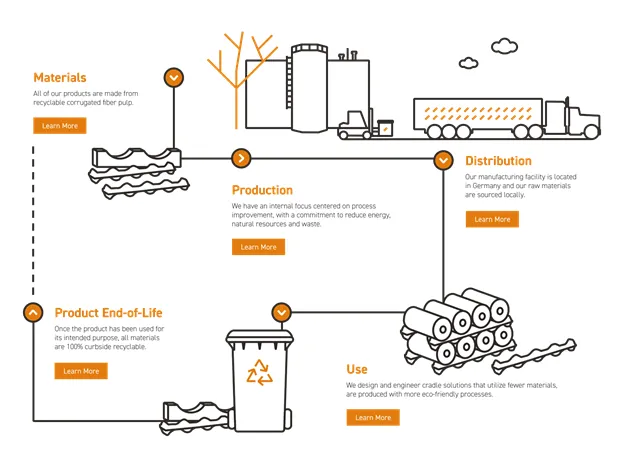
Instead of adding layers of material, Rollguard focuses on structural design, allowing its products to secure rolls and similar products using minimal fiber content while maintaining stability during transport and storage.
Key Features
- Engineered fiber cradles for cylindrical products
- Made in Germany using recyclable materials
- Provides multiple sizes and configurations
2. Mondi Group
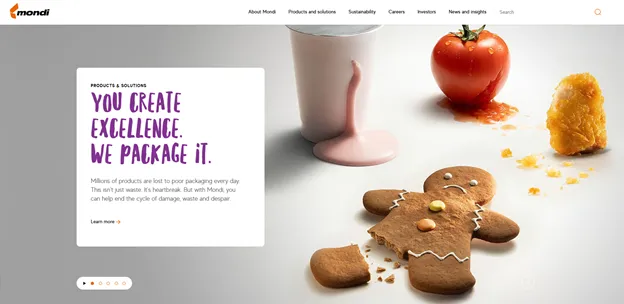
Mondi is one of Europe’s most established packaging companies, with experience serving numerous industries through its ingenious and paper-based packaging solutions. Its sustainability strategy involves a commitment to making all its products reusable, recyclable or compostable.
The company invests heavily in research and material science to create circular-driven solutions, helping companies transition their packaging formats with minimal supply chain disruption.
Key Features
- Paper, corrugated cardboard, solid board and flexible packaging
- Strong focus on recyclable and reusable materials
- Advanced sustainability research and targets
3. Smurfit WestRock
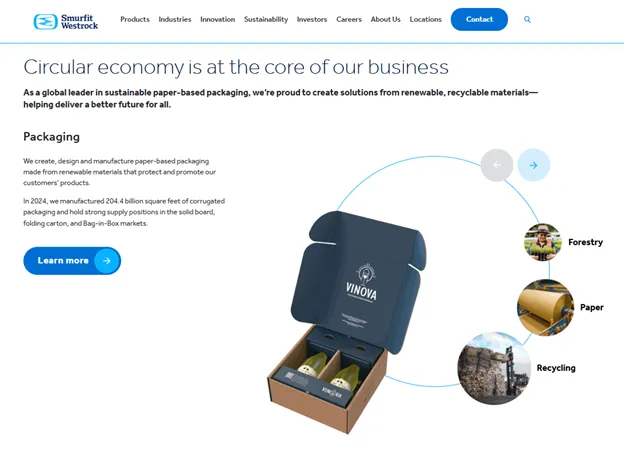
Smurfit WestRock has developed an established reputation as one of the global leaders in sustainable packaging, especially after its 2024 merger. The company operates through a circular model, implementing eco-friendly practices from product development to disposal.
It develops paper and cardboard-based packaging in various formats to serve numerous industries, including e-commerce, food, beverage and pharmaceutical applications.
Key Features
- Recycled and recyclable paper-based packaging
- Strong presence in retail, industrial and e-commerce sectors
- Circular business model for restorative operations
4. Stora Enso
Stora Enso positions itself as a renewable materials company instead of a traditional packaging supplier. The company emphasizes the importance of renewable packaging, supported by biomaterials and wood products.
Stora Enso’s work in sustainable packaging, bio-based materials, paper and wood products is especially relevant for brands aiming to move away from plastics and fossil fuels while maintaining performance and aesthetics.
Key Features
- Wood-based, renewable packaging materials
- Investment in bio-based material research and development
- Certified materials sourcing
5. DS Smith
DS Smith is another global leader in sustainable packaging, mostly centered on fiber-based and paper products. Its recent partnership with U.S. Company International Paper has allowed it to expand its operations and deliver more sustainable packaging solutions to the rest of the world.
DS Smith takes a consultative approach with clients, helping them find plastic use and other issues in their current packaging approach, and replacing them with sustainable alternatives.
Key Features
- Fiber and paper-based packaging systems
- Focus on transport and logistics efficiency
- Comprehensive recycling services
6. Papacks
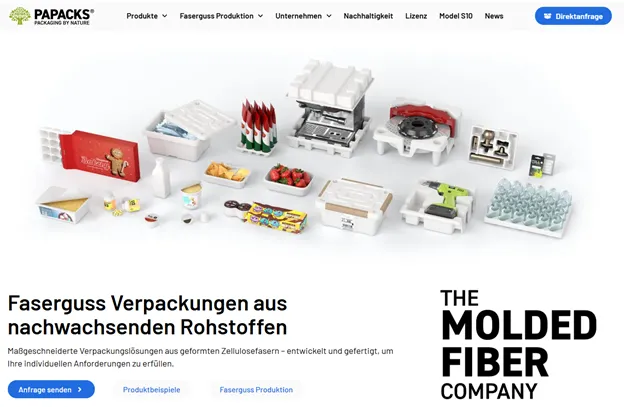
Papacks specializes in molded fiber packaging designed to replace plastic trays and other containers. Its products are compostable, recyclable and made from renewable raw materials, while also leaning on renewable energy sources to minimize CO2 emissions.
The company’s broad product selection, which even includes niche packaging and components, makes it highly versatile and competitive for companies seeking custom, right-sized options for their products.
Key Features
- Tailor-made molded fiber packaging products
- Renewable sourcing and energy sources
- Germany-based manufacturing
Comparing Europe’s Top Eco-Packaging Providers
| Company | Primary Material | Key Sustainability Feature | EU Headquarters |
| Rollguard | Fiber | Material reduction through design | Germany |
| Mondi Group | Paper, flexible materials | Renewable and recyclable materials | Austria |
| Smurfit Westrock | Paper and molded materials | Circular business model | Ireland |
| Stora Enso | Wood-based fiber | Certified sourcing | Finland |
| DS Smith | Paper and fiber | Supply chain emission reduction | UK |
| Papacks | Molded fiber | Compostable fiber solutions | Germany |
Methodology for Selection
This list was developed using four core criteria:
- Materials: Companies that use renewable, recyclable, and sustainably sourced materials
- Design innovation: Solutions that reduce overall material usage, optimize space, and lower supply chain impact
- European presence: Companies with manufacturing and sourcing operations within Europe to minimize transport emissions and support the local economy
- Operational viability: Brands with proven solutions already used in supply chains
Key Criteria for Evaluating Eco-Friendly Packaging Partners
Choosing the right eco-friendly packaging partner allows businesses to balance sustainability initiatives with performance and cost control. Here are some additional factors to consider when evaluating potential suppliers.
Packaging Design
Partners that deliver real value and focus on sustainability prioritize reducing total material usage through design and engineering, in addition to selecting renewable materials. Well-designed packaging can stabilize loads and improve space efficiency, which directly reduces material consumption and transport emissions.
Materials Sourcing and Transparency
Reliable partners carefully choose and disclose where their materials come from, and whether they were grown or developed sustainably.
For example, when creating paper products, does the pulp come from sustainably maintained forests where trees are regularly replenished? Companies must document their materials sourcing processes, ensuring consistent quality and ethical standards. Unclear sourcing or disposal might create challenges that impact sustainability goals.
Supply Chain and Logistical Impact
Packaging decisions are part of, and impact the entire supply chain. Lightweight and compact designs reduce weight and volume, making them more efficient to transport and use in warehouses. Assessing the procurement process is also crucial. For EU companies, sourcing from within one’s immediate region is often more environmentally friendly, as it can cut down on transportation fuel consumption and emissions.
Third-Party Certifications
Third-party certifications strengthen consumer confidence and simplify compliance with EU sustainability regulations. The Forest Stewardship Council certification, for example, confirms whether materials come from responsibly managed forests that prioritize reforestation, fair wages, ecosystem preservation and community rights. These certifications signal trustworthiness, especially during the materials sourcing and manufacturing process.
Choosing Partners That Deliver
Eco-friendly packaging in the EU comes from companies that prioritize action and sustainable design over marketing. Many packaging manufacturers in the region have proven that sustainability can align with performance and operational efficiency. Finding the right packaging partner might be your first and most impactful step toward real environmental impact.

About: Megan Vitanza - Marketing strategist
Megan Vitanza is a marketing strategist, loving mother, wife, bookworm and gamer. She spends her days researching and producing content for her manufacturing clients as Senior Digital Media Consultant at WebFX. In her off hours she enjoys baby snuggles and cozying up with a good book.
 Our Services
 Media Pack Download
 Newsletters
 Industrial Events