

Building Consumer Trust Through Transparent Sustainable Packaging
Trust doesn't happen overnight, especially when it comes to sustainability. Today's shoppers have heard countless promises about "green" products, and many have learned to be cautious. That's why sustainable packaging transparency has moved from a nice-to-have to a genuine business necessity. Brands that openly share the real story behind their packaging - not just the polished marketing version - are the ones earning long-term loyalty in an increasingly skeptical market.
Why Transparency Matters More Than Ever
For years, companies could slap a green leaf on a box and call it a day. That era is over. Consumers have grown skeptical of vague eco-claims, and rightfully so. Sustainable packaging consumer trust isn't built through clever marketing - it's built through honesty about sourcing, materials, and end-of-life disposal. When a brand clearly explains where its packaging comes from and where it goes after use, customers notice. They remember. And they buy again.
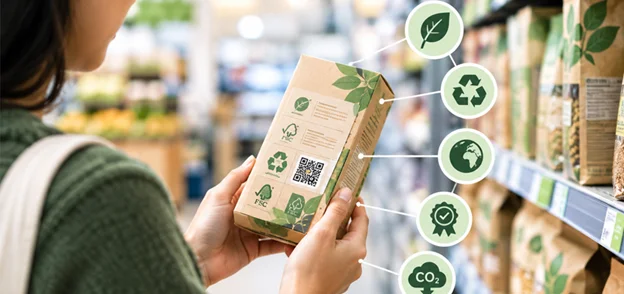
This is the essence of transparent sustainable packaging: giving people real information instead of feel-good buzzwords. It's the difference between saying "eco-friendly" and actually showing the percentage of recycled content, the certifications behind a claim, or the carbon footprint of a shipping box.
The Link Between Perception and Behavior
Eco friendly packaging transparency directly shapes how people feel about a brand before they even open the product. First impressions matter, and packaging is often the first physical touchpoint a customer has. Get it wrong - through greenwashing or confusing symbols - and you damage trust instantly.
Research consistently shows that sustainable packaging consumer perception influences purchasing decisions just as much as price or quality. People want to feel good about what they're buying, and they're willing to pay a premium when they believe the claims. This directly shapes sustainable packaging consumer behavior: repeat purchases, positive word-of-mouth, and stronger brand advocacy all stem from packaging that feels genuinely honest.
The Problem with Vague Claims
Not all "green" packaging is created equal, and consumers are catching on. Transparent packaging sustainability claims need to be specific and verifiable. Saying a package is "recyclable" means little if there's no local infrastructure to actually recycle it. This is where many sustainable packaging claims fall apart - good intentions undermined by lack of clarity.
Brands that thrive are the ones asking: how sustainable packaging builds consumer trust in the first place. The answer usually comes down to specificity, third-party verification, and consistent follow-through rather than one-off campaigns.
Getting Labeling Right
Sustainable packaging labeling plays a huge role here. QR codes linking to sourcing data, clear material breakdowns, and straightforward disposal instructions all help close the gap between intention and understanding. When labeling is confusing, even well-meaning sustainability efforts backfire.
The Bottom Line
Consumer trust in sustainable packaging isn't a one-time achievement - it's an ongoing relationship built on consistency and honesty. Packaging sustainability claims that hold up to scrutiny, paired with genuinely clear labeling, create the kind of loyalty that outlasts any single marketing campaign. In a market full of noise, transparency isn't just good ethics - it's good business.
 Our Services
 Media Pack Download
 Newsletters
 Industrial Events