

A Complete Guide to Modern Packaging Methods & Their Benefits
Introduction
The current packaging methods transform industries which allow businesses to achieve efficiencies while preserving costs while building environmental sustainability. The growing market need for high-quality packaging has led businesses to research innovative sustainable packaging developments while using smart packaging methods and flexible packaging materials to maintain competitive business positions.
A thorough examination follows of current packaging developments that explains their advantages together with their worldwide impact on industrial progress.
The Evolution of Modern Packaging Techniques
Traditional packaging methods previously controlled the market but nowadays they have been replaced by more advanced methods. Modern companies prefer capital-efficient packaging resources which both safeguard merchandise while boosting their identity and customer connection. The current technological innovations in packaging operate fast-speed machines with vacuum seals which deliver secure packaging alongside extended product longevity.
Key Modern Packaging Techniques & Their Benefits
| Packaging Technique | Benefits |
| Sustainable packaging solutions | Reduces carbon footprint, uses biodegradable materials |
| Smart packaging innovations | Enhances user experience with IoT-enabled features |
| Flexible packaging materials | Lightweight, reduces shipping costs, improves shelf appeal |
| Cost-effective packaging strategies | Reduces expenses, increases efficiency |
| High-speed packaging machinery | Boosts production rate, minimizes manual labor |
| Vacuum sealing technology | Extends product shelf life, prevents contamination |
| Tamper-proof packaging methods | Ensures product integrity, prevents counterfeiting |
| Industrial packaging advancements | Supports heavy-duty transportation and bulk storage |
| Minimalist packaging designs | Reduces waste, enhances brand aesthetics |
| Corrugated packaging benefits | Provides durability, recyclability, and cost-effectiveness |
| Advanced labeling techniques | Enhances traceability, supports marketing efforts |
| Packaging automation benefits | Increases accuracy, reduces errors |
| Recyclable packaging innovations | Promotes eco-friendly solutions, aligns with green initiatives |
| Smart sensor packaging | Monitors freshness, ensures product quality |
| Digital printing on packaging | Enables customization, enhances brand identity |
I. Sustainable Packaging Solutions: A Game Changer

The rising ecological threats have led businesses to adopt environmentally friendly packaging systems. The market features three sustainable packaging options such as biodegradable plastics alongside plant-based packaging and materials that can be recycled. Motivated customers choose firms that implement recyclable packaging technology while following worldwide environmental standards.
Advantages of Sustainable Packaging:
- The process decreases both waste output and environmental emissions generated from carbon.
- The usage of eco-friendly company practices builds a positive brand reputation which benefits the company's standing in the market
- The solution fulfills all existing environmental protection rules established by regulations.
II. Smart Packaging Innovations: The Future of Packaging

A futuristic world presents the possibility of food packages which display expiration dates right before products expire. The great power of modern smart packaging technology exists as its core functionality. Smart sensor packaging systems enable businesses to assess product freshness along with tamper detection along with offering consumer interactive capabilities to product experiences.
Types of Smart Packaging:
- IoT-Enabled Packaging – The system links to mobile devices which provide immediate updates about the products.
- Smart Labels – Temperature-sensitive ink marks the products to display their status information.
- QR Code Packaging – The system gives customers online access to digital content which helps boost their engagement.
III. Flexible Packaging Materials: Enhancing Convenience & Efficiency
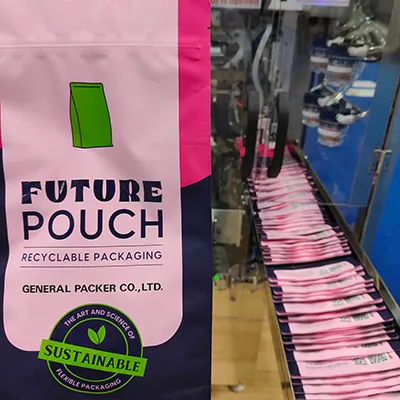
Flexible packaging materials experience growing popularity due to the continuous development of e-commerce and retail operations. New materials enable reduced shipping expenses and create more attractive presentation on store shelves.
Benefits of Flexible Packaging:
- Reduces material usage and waste
- Protected products experience superior barrier resistance from contaminants.
- Enhances product portability and storage
IV. Cost-Effective Packaging Strategies: Reducing Expenses without Compromising Quality

Companies functioning in the present competitive marketplace need to establish successful packaging methods that minimize expenses while maximizing profitability.
Businesses achieve cost reduction through high-speed packaging machinery integration combined with packaging automation features which enables them to sustain product quality levels.
Best Practices for Cost-Effective Packaging:
- The use of basic packaging designs helps companies reduce their material expenses.
- The investment in vacuum sealing equipment will help companies stop food from spoiling and decrease waste.
- The combination of corrugated packaging provides lightweight strengths which produce durable transport containers.
V. High-Speed Packaging Machinery: Increasing Efficiency
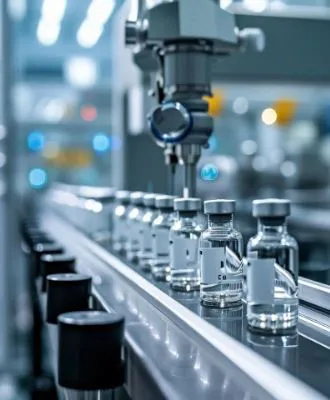
Current production lines depend on quick packaging equipment because demand is steadily rising. The automated systems perform packaging operations quickly while minimizing the need for human labor to enhance production effectiveness.
Benefits of High-Speed Packaging Machinery:
- Enhances production efficiency and output
- Reduces labor costs and errors
- Ensures consistent packaging quality
VI. Vacuum Sealing Technology: Extending Shelf Life
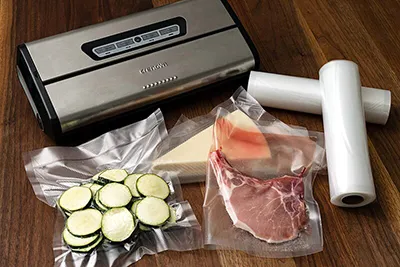
The food and pharmaceutical sectors use vacuum sealing technology to protect their products because removing air from packages lengthens their freshness span.
Advantages of Vacuum Sealing:
- Prevents oxidation and bacterial growth
- Increases shelf life of perishable products
- Reduces food waste and spoilage
VII. Tamper-Proof Packaging Methods: Ensuring Safety

Product safety concerns have led to making tamper-proof packaging methods a necessary requirement. The implemented methods work to stop both unauthorized entry and product contamination.
Common Tamper-Proof Methods:
- Sealed caps with breakable rings
- Shrink bands and security seals
- Tamper-evident labels with color-changing ink
VIII. Industrial Packaging Advancements: Supporting Large-Scale Operations
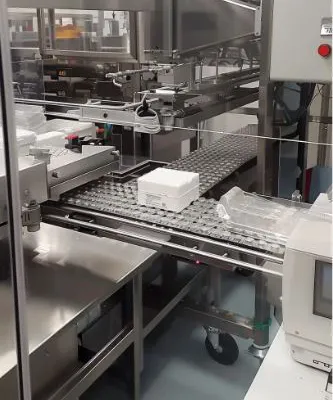
The heavy-duty sector needs improved packaging systems which specialize in transporting bulk quantities. Safety as well as durability and economic efficiency result from innovations in logistics systems.
Key Industrial Packaging Features:
- Heavy-duty materials for added protection
- Customizable solutions for different industries
- Automation integration for faster processing
IX. Minimalist Packaging Designs: Reducing Waste
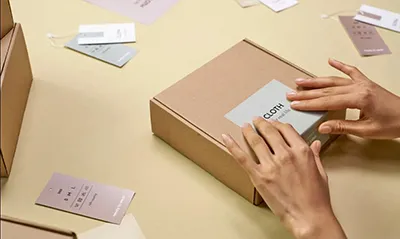
As a response to environmental concerns companies implement minimalist packaging models that accomplish both material economy along with operational sustainability.
Why Minimalist Packaging?
- The reduction of materials used results in lower operational expenses.
- This design approach enhances product attractiveness in ways that make customers enjoy viewing them more.
- Such strategies help support environmental sustainability because they decrease the amount of waste.
X. Corrugated Packaging Benefits: Strength & Sustainability
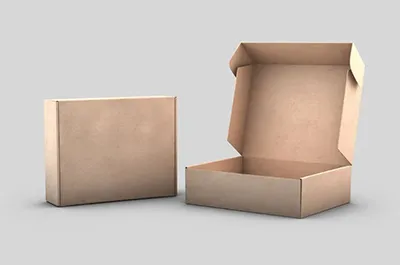
A business benefits from using corrugated packaging because this material offers robust performance along with low weight requirements for transport operations.
Advantages of Corrugated Packaging:
- The packaging shows high sustainability due to its resistant strength against damage.
- Recyclable and eco-friendly material
- Cost-effective for bulk shipping
XI. The Role of Advanced Labeling & Digital Printing on Packaging
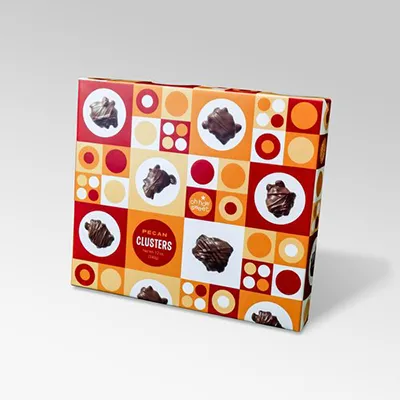
Brand position plays a fundamental part in how consumers make their buying choices.
Advanced labeling methods and digital printing on packages allow businesses to generate attractive and educational product packages that capture shelf space.
Advantages of Digital Printing in Packaging:
- An on-demand printing system enables businesses to customize their products at high levels while using instant print capabilities.
- Enhances marketing and branding efforts
- Companies using this method eliminate unnecessary waste that standard printing generates.
XII. Packaging Automation Benefits: Streamlining Production
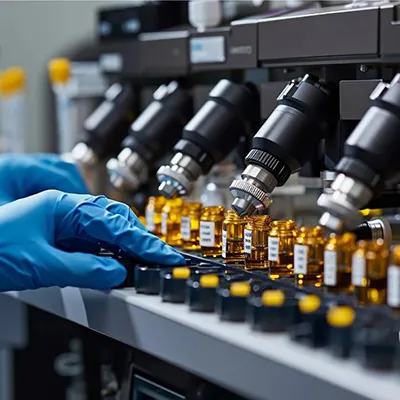
Industrial automation of packaging brought about major progress in system efficiency as well as packaging precision. Better consistency together with reduced operational costs represent some key advantages that packaging automation delivers to businesses.
How Packaging Automation Helps:
- Speeds up the packaging process
- The system reduces errors that humans make with product labels and applied seals when performing these tasks.
- Improves overall operational efficiency
XIII. Recyclable Packaging Innovations: A Step towards Sustainability
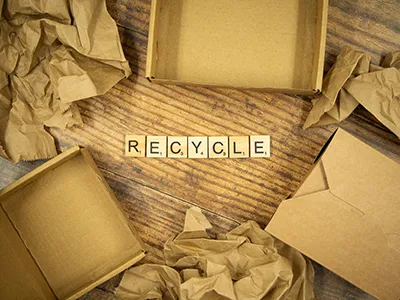
Relationships between sustainability and business operations are strengthened through investments in innovative recyclable packaging using sustainable materials while maintaining excellent quality standards.
Types of Recyclable Packaging:
- Biodegradable plastics
- Recyclable paper-based packaging
- Compostable packaging solutions
XIV. Smart Sensor Packaging: Monitoring Freshness & Safety
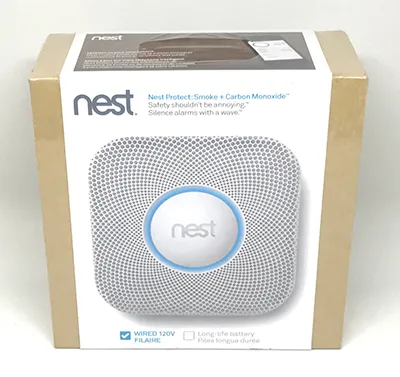
The IoT has introduced smart sensor packaging technologies that now control how products receive monitoring. Packaging contains sensors which monitor temperature variations while detecting both moisture levels and production expiration periods.
Applications of Smart Sensor Packaging:
- Food industry: Detects spoilage in perishable goods
- Pharmaceuticals: The correct pharmaceutical temperature storage is guaranteed through this packaging system.
- Logistics: Tracks shipping conditions in real time
XV. Industrial Packaging Advancements: Enhancing Logistics & Supply Chain Efficiency
Industrial packaging innovations deliver advantages to production facilities that must handle large-scale transportation and store cargo. These techniques provide multiple benefits which include protective operation combined with supply chain optimization and material defense.
Key Industrial Packaging Methods:
- Manufacturers work with tamper-proof packaging techniques which block unlawful product tampering.
- Companies boost product defense through vacuum sealing technology systems.
- Corrugated packaging provides several advantages by safeguarding against impacts.
The Future of Packaging: Trends to Watch
The packaging industry will maintain its ongoing innovative efforts because technology advances and changing customer preferences do. Several patterns will form the foundation of upcoming developments.
- AI-Driven Packaging Automation – Smart machines optimizing packaging lines.
- Augmented Reality (AR) Packaging – Enhancing customer engagement with interactive packaging.
- Edible Packaging – A step towards zero-waste consumption.
Conclusion
The modern packaging sector undergoes a major evolution as it adopts sustainable solutions along with intelligent packaging developments. Businesses need to adopt affordable packaging strategies to maintain market leadership while using fast-paced packaging machines and state-of-the-art labeling methods. Companies which accept recyclable packaging innovations simultaneously develop better brand reputation and environmental stewardship.
Are you ready to revolutionize your packaging strategy? Explore these innovations today and lead the way toward smarter, greener, and more efficient packaging solutions!
 Our Services
 Media Pack Download
 Newsletters
 Industrial Events