

Digital Label Printing: AI, Automation, and Variable Data Printing for Modern Packaging
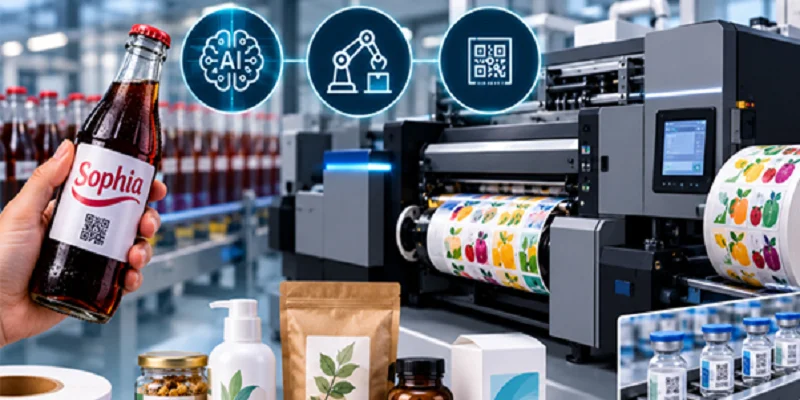
Pick up almost any product on a store shelf today and check the label closely - chances are it was printed, tracked, and personalized by a system that didn't exist a decade ago. That shift has a name: digital label printing, and it's being driven by artificial intelligence, automation, and a technique called variable data printing.
If you've ever wondered how a beverage brand manages to put your first name on a bottle, or how a pharmaceutical company churns out thousands of unique batch codes without slowing down production, the answer lies in this convergence of technologies. Let's break down what's actually happening - and why it matters for anyone in packaging, branding, or manufacturing right now.
What Is Digital Label Printing, Really?
At its core, digital printing for labels replaces the old plate-based, analog printing process with direct-to-substrate digital output - similar to how your home printer works, just industrial-scale and far more precise. There are no printing plates to engrave, no lengthy setup times, and no minimum order thresholds that used to make small runs financially painful.
Traditional flexographic or offset printing required physical plates for every design. Changing a single word meant remaking the plate. Digital label printing technology eliminates that bottleneck entirely. Designs live as digital files, and printers pull directly from that data - which is exactly what opens the door to everything else we're about to discuss.
The Rise of Variable Data Printing
Here's where things get genuinely interesting. Variable data printing (VDP) allows every single label in a print run to be different - a unique QR code, a distinct serial number, a different name, a localized language, or a promotional message tailored to a specific retailer.
Think about variable data labels used in pharmaceuticals: each vial or blister pack often needs its own batch number, expiration date, and traceability code for regulatory compliance. Or consider e-commerce brands that print a customer's name directly onto a shipping label or product package as part of a personalization campaign. None of this was practical with analog printing. With digital systems, it's not just possible — it's become standard practice across food, beverage, cosmetics, and pharma industries.
This is the technology behind personalized packaging printing campaigns that have gone viral - think of the "Share a Coke" style campaigns where consumers hunted for bottles with their own names. That entire marketing strategy depends on a printer's ability to swap out content on the fly, label after label, without stopping the press.
Where AI Fits Into the Picture
AI in printing industry applications isn't science fiction anymore - it's operational reality on production floors. Here's how artificial intelligence is actually being applied:
Quality control and defect detection. AI-powered vision systems scan labels in real time, catching color inconsistencies, misprints, smudging, or misalignment far faster and more reliably than a human inspector ever could. A defective label gets flagged and rejected before it ever reaches a shelf.
Predictive maintenance. Sensors feed data into machine learning models that predict when a printhead or roller is likely to fail, scheduling maintenance before a breakdown halts production.
Color and design optimization. AI-powered printing platforms can now analyze a design file and automatically adjust color profiles for different substrates - glossy film, matte paper, foil - ensuring consistent output across materials without manual trial and error.
Workflow automation. AI-driven software can route jobs, allocate press time, and even flag design files that don't meet production specifications before they ever hit the press queue.
Put together, these capabilities are why so many packaging companies are describing their operations as running on "smart presses" rather than simply digital ones.
Automated Label Printing: Speed Meets Precision
Automated label printing systems tie the entire process together - from file intake to finished roll - with minimal manual intervention. Automation doesn't just mean faster output; it means fewer errors, more consistent color matching, and dramatically reduced waste.
Digital printing automation also extends into pre-press and post-press stages. Automated color correction, automatic substrate detection, and integrated cutting and finishing systems mean a job can go from digital file to shippable label roll in a fraction of the time it used to take. For brand owners juggling tight deadlines or last-minute design changes, this speed is often the difference between hitting a retail launch date or missing it.
And when you combine automation with high-speed digital label printing presses - many now running well beyond 100 meters per minute - manufacturers get the rare combination of volume and flexibility that used to be mutually exclusive.
On-Demand and Short-Run Printing: A Game Changer for Brands
Perhaps the most disruptive shift digital technology has brought to labeling is economic, not technical. On-demand label printing means brands no longer need to forecast demand months in advance and order tens of thousands of identical labels just to hit a reasonable price per unit.
Short-run label printing has become not just viable but often preferable. A craft brewery can print 500 labels for a seasonal batch. A startup skincare brand can test three different packaging designs with small quantities before committing to a full production run. A regional distributor can print region-specific labels - different languages, different compliance text - without warehousing multiple SKUs.
This flexibility matters enormously for small and mid-sized businesses that previously couldn't compete with larger brands on packaging quality or speed to market. Digital label printing solutions have effectively lowered the barrier to entry for professional-grade packaging.
Digital Packaging Printing Beyond the Label
It's worth noting that digital packaging printing now extends well past traditional labels. Folding cartons, flexible pouches, shrink sleeves, and corrugated packaging are increasingly produced using the same digital-first, data-driven approach. Brands are using this to run limited-edition packaging, seasonal designs, influencer collaborations, or region-specific SKUs - all without the massive minimum order quantities that used to make such experimentation financially risky.
Why This Matters for Your Business
If you're evaluating digital label printing solutions for your company, here's what the shift toward AI, automation, and variable data really delivers:
- Lower cost per unit for small batches - no plate costs, no large minimum orders
- Faster turnaround - from design approval to finished labels in days, not weeks
- Reduced waste - automated calibration and defect detection cut material loss
- Regulatory compliance made easier - automatic serialization and traceability for pharma, food, and chemical industries
- Stronger brand engagement - personalization drives measurable increases in customer interaction and loyalty
- Scalability - the same system handles a 200-label test run and a 200,000-label national rollout
Frequently Asked Questions
What is digital label printing?
Digital label printing is a process that prints labels directly from a digital file onto material, without needing physical printing plates. It allows for faster production, lower costs on small runs, and features like variable data printing.
What is variable data printing used for?
Variable data printing (VDP) is used to print unique information - like serial numbers, QR codes, names, or batch codes - on each individual label within the same print run, commonly used in pharmaceuticals, food safety compliance, and personalized marketing campaigns.
How is AI used in the printing industry?
AI is used for automated defect detection, predictive equipment maintenance, color calibration across substrates, and workflow automation, helping printers reduce waste and increase throughput.
Is digital label printing cheaper than traditional printing for small orders?
Yes. Because digital printing eliminates the need for printing plates, it significantly reduces setup costs, making short-run and on-demand label printing far more affordable than traditional flexographic printing for small quantities.
What industries benefit most from variable data labels?
Pharmaceuticals, food and beverage, cosmetics, logistics, and e-commerce brands benefit most, since these industries rely heavily on traceability, compliance codes, and personalized packaging.
The Bottom Line
Digital label printing has moved well past being a niche alternative to traditional methods - it's now the backbone of modern packaging strategy. The combination of AI-driven quality control, automation on the production floor, and the creative flexibility of variable data printing means brands of every size can produce labels that are faster to market, cheaper to customize, and more precisely targeted than ever before.
Whether you're a startup ordering your first short run or an enterprise brand rolling out a nationwide personalized packaging campaign, the technology is finally flexible enough - and smart enough - to keep up with how fast modern branding actually moves.
 Our Services
 Media Pack Download
 Newsletters
 Industrial Events