


The Use of Sustainable Inks in Packaging: Benefits and Challenges

As we know today, any company regardless of its type, faces the problem of sustainability, the packaging industry is also not an exception. With increasing consumer consciousness toward consuming sustainable and recyclable products, the packaging material are also not exempted because businesses are on the lookout for environmentally friendly packaging materials. Another element critical to the effectiveness of packaging is the use of sustainable labels and inks only. As applied to biodegradable packaging material, sustainable inks do present a range of positive uses; however, they also present their unique drawbacks. The subject of this article is the role of sustainable inks for packaging, the benefits of which for the environment, and the challenges companies face in the process.
Importance of Product Packaging and the Role of Sustainable Inks
A packaging shields the product at every stage of distribution channel in order to get it to the consumer in good condition. It is used as a means by which a brand speaks to a customer, or as a channel of interaction between the two. Branded packaging plays a significant role bearing in mind that apart from holding important product information it also creates a lasting perception into the minds of consumers. However, the conventional inks that are used in packaging materials have been widely known to have very frightening effects on the environment since they contain volatile organic compounds (VOCs) and other toxic chemicals. This has led to change especially as far as labels and inks used in packaging are concerned, and youngsters are going green.
Sustainable inks have origins from renewable sources and these include soy and plant based oils instead of petroleum. Such inks as these are non-toxic to the environment in an aspect that helps to enhance packaging efficacy through the reduction of wastage and the negative impact on the environment when printing. This is particularly the case in industries that need to use printing inks in their food packaging printing which comes with so many safety and environmental concerns.
Benefits of Sustainable Ink with De-inking Process
Another important benefit is that sustainable ink does not pose any problem when it comes to de-inking the material. The valuable de-inking process is used for printed material, as for every recycling process, the inks need to be detail removed from the paper so that the paper product can be recycled and used again.
Thus, such labels and inks are easier to remove during this process and the quality of recycled paper increases with a reduction in pollution. This goes a long way in enhancing the sustainability of the packaging industry since sustainability involves consumers selecting packaging material that is environmentally friendly hence cutting on the chain of carbon footprint.
However, printing inks for food packages derived from renewable resources serve the purpose of having no toxic materials that may drip to the foods to endanger human lives. This is very important factor in industries that require industrial printing solutions such as the; food and medicine where the packaging needs to meet certain health standards.
Packaging Materials Environmental Benefits
There is a myriad of advantages to packing foods in environmentally friendly papers and printing the papers with green inks. First of all, they decreased the dependence on the natural resource, for example, petroleum which is utilized in manufacture of typical inks. This means that going for biodegradable packaging films as well as eco-friendly inks help companies reduce their carbon footprint.
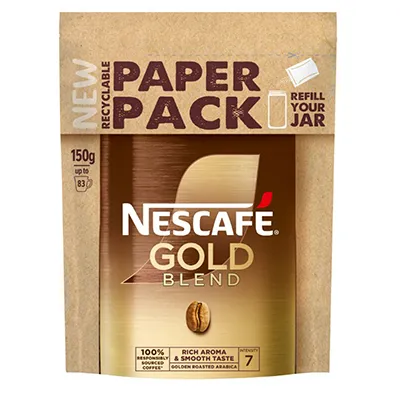
Also, the use of sustainable inks makes it possible to minimize on pollution. Ink used in conventional press emits pollutants in the form of VOCs into the atmosphere and presents health hazards for exposed employees in industrial printing environments. In contrast, eco-friendly labels and inks produce low levels of VOCs, thus improving safety in production processes, including to the workers. This shift of a dependent towards sustainable printing materials is of paramount importance to packaging material considering environmental advantages.
Pros and Cons of Flexible Packaging
Utilization of flexible packaging has been widely embraced in the market courtesy of its versatility, light weight and its efficiency in offering protection. Yet, if thinking about sustainability, there are advantages and disadvantages of flexible packaging.
On the positive side, flexible packaging takes up less material meaning the resources used to produce it are limited. It also has the advantage of being lighter than rigid packaging thus cheaper to transport and will reduce carbon footprint. Used together with ecological packaging material and bio-interpretations of inks, it can greatly decrease the impacts on the environment.
Nevertheless, advantages and disadvantages of flexible packaging comprise issues with recycling. Most of them consist of several layers of different materials which makes recycling of the flexible packaging material a huge challenge.
Furthermore, certain printing inks for food packaging used in flexible packaging cannot be easily degraded or separated or removed from the PET recycling stream. To overcome these challenges, what is required is concentrated effort among companies to produce the more environmentally and bio-degradable packaging products in their production line.
Challenges and Opportunities of Sustainable Packaging
Sustainability in packaging is the new threat that has an opportunity for new entrant firms to embrace in as a way of competing with other firms in the market. Perhaps the biggest hurdle is the addition cost of transition to environment-friendly label and ink. Eco-friendly inks are generally much costlier than conventional inks because of cost of the raw materials and manufacturing. This can become a problem for countless small businesses trying to transition to being more environmentally friendly.
The second problem is the sustainability features of inks and paints used in printing and coating processes. As for the packaging boxes themselves, there is some improvement in terms of package materials, even if some sustainable inks could be not effectively bright-colored, highly-durable or good-adhere as the uncommon inks. This can bring changes in the textured quality of branded packaging and in the presentation of products that are packed. This means that for companies to be able to produce sustainable inks that are effective they have to invest in research on how best they can enhance the efficiency of those inks.
However, the following are some of the impacts and challenges that businesses need to be meet when adopting sustainable packaging; although there are these challenges there are benefits that comes with sustainable packaging that businesses can look at and create a unique selling point on. Consumers are more and more concerned by environmental issues, and recycling packaging material and using environmental ink will improve the standing of the brand. Further, as technology improves, the cost of these sustainable inks is projected to reduce and will hence be affordable by small and large businesses.
Overcome in Your Packaging Process
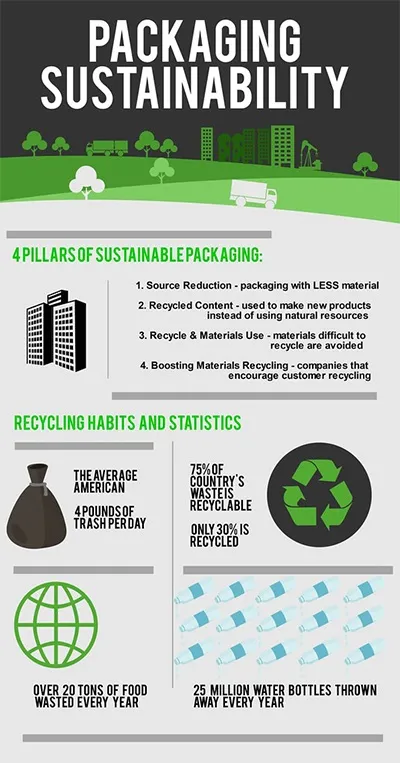
In order to overcome the obstacles in the packaging process, companies have to be strategic in their move to the sustainable packaging. This involves an assessment of the supply chain and making the decisions of the activities that require improvement. For instance, firms can engage suppliers that provide sustainable packaging materials and inks with which many levels of sustainability can be incorporated.
The other significant development is raising awareness of employees and stakeholders of sustainable inks and biodegradable packaging. Therefore, having a sustainable culture will lead to innovation and sustainable business in the industrial printing solutions.
Conclusion
Being therefore concluded that the application of the eco-friendly labels and inks to packaging is an important factor of more and more sustainable tendencies. Bio-inks give many advantages such as compatibility with de-inking process, decreased pollution effects, and safer manufacturing. However, they also have disadvantages which include; higher costs of implementation and have limited performance compared to other types. Nevertheless, the change in the direction towards the more sustainable packaging is one of the most exciting opportunities businesses have in their hands to enhance their environmental performance and make customers happy.
Through evaluating the merits as well as demerits of flexible packaging, costs of printing inks for food packaging and relating to the ecological advantage of packaging materials, companies can develop their associated brand packaging that can safeguard its products while conforming to ecological parameters. Some of the challenges that you will have to deal with in order to survive in the contemporary environment will include; As consumers become increasingly conscious in their choices, opportunities that center on environment friendly packaging material and earth tone inks will prove to hold long-term promising potentials for future returns.
 Our Services
 Media Pack Download
 Newsletters
 Industrial Events